- Free Consultation: 866-966-5240 Tap Here To Call Us













Slip and Fall Lawyer: Your 2026 Legal Guide


Slip and fall accidents represent one of the most common yet legally complex personal injury cases in California. These incidents can occur anywhere, from grocery stores and restaurants to apartment complexes and public sidewalks, often resulting in serious injuries that require extensive medical treatment. When property negligence causes your injury, working with an experienced fall and slip lawyer becomes essential to protecting your rights and securing fair compensation. Understanding the legal landscape, evidence requirements, and strategic considerations can make the difference between a successful claim and a denied settlement.
Understanding Slip and Fall Legal Claims
Slip and fall cases fall under premises liability law, which holds property owners and managers responsible for maintaining safe conditions for visitors. According to slip and fall legal principles, establishing liability requires proving several key elements that demonstrate the property owner’s negligence directly caused your injuries.
Essential Elements of Liability
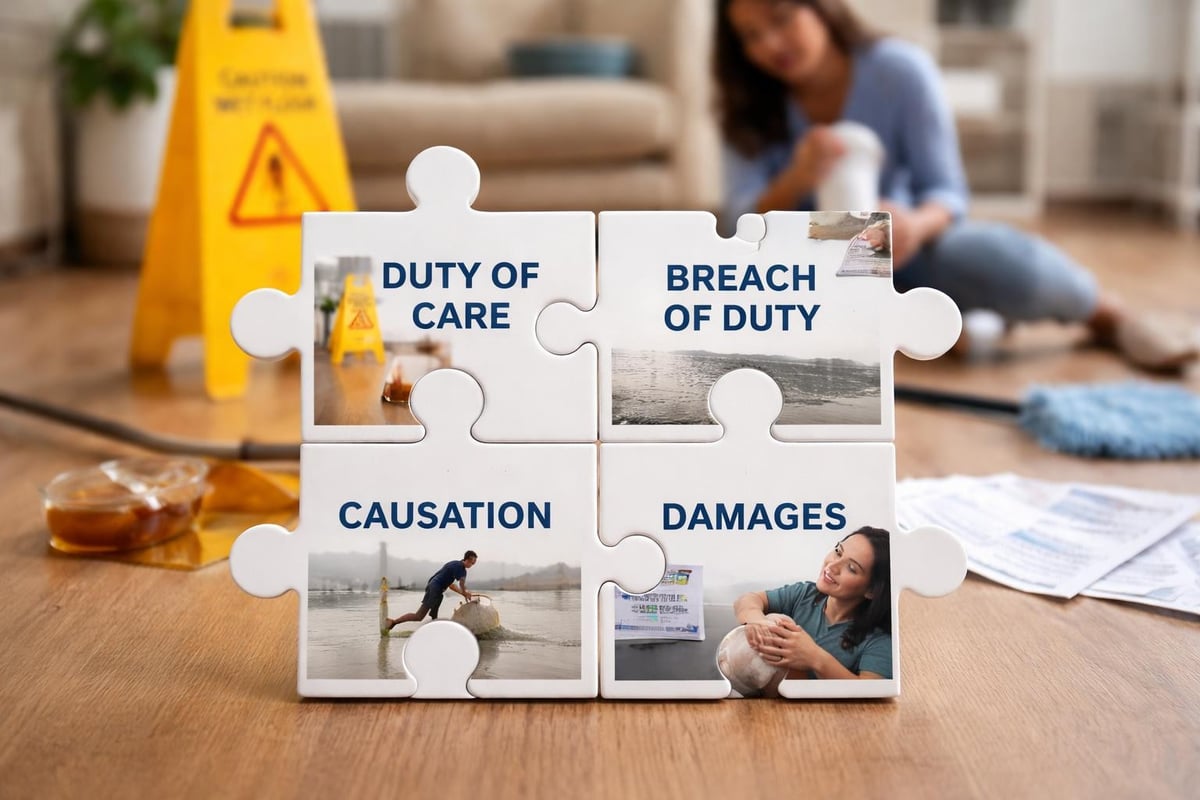
Property owners have a legal duty to maintain their premises in a reasonably safe condition. This responsibility includes regular inspections, prompt repairs, and adequate warnings about known hazards. When pursuing a claim, your fall and slip lawyer must establish four critical components:
- Duty of care existed between the property owner and the injured party
- Breach of duty occurred through negligence or failure to maintain safe conditions
- Causation links the breach directly to your specific injuries
- Damages resulted from the accident, including medical expenses and lost wages
The complexity of premises liability cases often requires detailed investigation and expert testimony to prove each element convincingly.
Common Causes and Liability Scenarios
Different hazardous conditions create distinct legal challenges. Wet floors without warning signs, uneven pavement, poor lighting, debris in walkways, and defective stairs represent frequent causes of fall incidents. Each scenario requires specific evidence and legal arguments to demonstrate negligence.
Weather-related conditions present particular challenges in California. While property owners cannot control rain or natural moisture, they must take reasonable steps to protect visitors. This includes placing warning signs, using absorbent mats, and implementing proper drainage systems.
Selecting the Right Fall and Slip Lawyer
Choosing qualified legal representation significantly impacts your case outcome. The critical qualities to look for in a slip-and-fall lawyer include specific experience, proven track record, and willingness to take cases to trial when necessary.
Experience and Specialization Matter
Not all personal injury attorneys possess equal expertise in premises liability cases. A fall and slip lawyer should demonstrate specific experience handling similar cases, understanding both the legal nuances and practical challenges these claims present. Look for attorneys who regularly handle premises liability matters rather than general practitioners.
Consider these essential qualifications:
- Years of specialized practice in slip and fall cases
- Track record of settlements and verdicts in similar matters
- Knowledge of local property codes and safety regulations
- Relationships with expert witnesses including engineers and medical professionals
- Trial experience demonstrating willingness to litigate when necessary
Many firms, including Steven M Sweat, Personal Injury Lawyers, APC, focus specifically on personal injury law, providing the depth of knowledge these cases demand.
Reputation and Client Testimonials
| Evaluation Factor | What to Look For | Red Flags to Avoid |
|---|---|---|
| Client Reviews | Detailed positive experiences, specific case outcomes | Generic testimonials, no verifiable reviews |
| Professional Standing | Bar association membership, awards, peer recognition | Disciplinary actions, frequent complaints |
| Communication Style | Responsive, clear explanations, regular updates | Difficult to reach, vague answers |
| Fee Structure | Transparent contingency arrangement, written agreement | Upfront fees, unclear terms |
Professional reputation extends beyond client testimonials. Check whether the attorney maintains good standing with the California State Bar and participates in professional legal organizations focused on personal injury law.
Building a Strong Slip and Fall Case
Evidence collection begins immediately after an accident occurs. The importance of early investigation in slip-and-fall cases cannot be overstated, as critical evidence often disappears within days or even hours of an incident.
Immediate Steps After an Accident
Your actions immediately following a slip and fall incident significantly impact your eventual claim. Document everything possible at the scene, even if injuries seem minor initially. Many serious conditions, including traumatic brain injuries and spinal damage, may not manifest symptoms immediately.
Critical documentation includes:
- Photographs of the hazard, surrounding area, and your injuries
- Contact information for witnesses who saw the incident
- Written incident reports filed with property management
- Medical records from emergency treatment
- Clothing and footwear worn during the accident
Property owners often attempt to remedy dangerous conditions quickly after accidents, eliminating evidence of their negligence. Your fall and slip lawyer needs this documentation to reconstruct the scene and prove the hazardous condition existed at the time of your fall.
Medical Documentation and Treatment
Seeking immediate medical attention serves two crucial purposes: protecting your health and establishing documentation of your injuries. Delays in treatment give insurance companies ammunition to argue your injuries resulted from something other than the fall or were not serious enough to warrant immediate care.
Follow all medical recommendations and attend every scheduled appointment. Gaps in treatment create questions about injury severity and your commitment to recovery. Keep detailed records of all medical expenses, including transportation costs to appointments and out-of-pocket medication expenses.

Overcoming Common Legal Challenges
Fall and slip cases face unique obstacles that experienced attorneys must navigate strategically. Understanding these challenges helps set realistic expectations for your claim timeline and potential outcomes.
Comparative Negligence Defense
California follows a pure comparative negligence system, allowing property owners to argue that your own actions contributed to the accident. Insurance companies frequently claim victims were distracted, wore inappropriate footwear, or failed to notice obvious hazards.
Your fall and slip lawyer must counter these arguments with evidence demonstrating the hazard was not obvious, you exercised reasonable care, and the property owner’s negligence was the primary cause. Even if you bear partial responsibility, you can still recover damages reduced by your percentage of fault.
Evidence Disappearance and Property Changes
Property owners often repair hazardous conditions immediately after accidents, making it difficult to prove the dangerous condition existed. Security camera footage gets recorded over, witnesses become unavailable, and weather conditions change. This highlights why early and thorough investigation becomes critical to preserving your claim.
Experienced attorneys send preservation letters immediately, legally requiring property owners to maintain evidence. They work quickly to interview witnesses, obtain surveillance footage, and document conditions before changes occur.
Types of Recoverable Damages
Slip and fall injuries often result in substantial financial and personal losses extending far beyond immediate medical bills. A comprehensive claim addresses all categories of damages you’ve suffered and will likely experience in the future.
Economic Damages
Quantifiable financial losses form the foundation of your compensation claim. These include:
- Medical expenses: emergency treatment, surgery, rehabilitation, ongoing care
- Lost wages: time off work for treatment and recovery
- Lost earning capacity: reduced ability to work in the future
- Property damage: damaged clothing, accessories, or personal items
Documentation proves economic damages through bills, receipts, pay stubs, and expert economic testimony. Your fall and slip lawyer ensures all current and future economic losses are included in demand calculations.
Non-Economic Damages
Physical pain, emotional distress, and diminished quality of life deserve compensation even though they lack specific price tags. California law recognizes various non-economic damages:
| Damage Category | Description | Factors Affecting Value |
|---|---|---|
| Pain and Suffering | Physical discomfort from injuries | Severity, duration, treatment invasiveness |
| Emotional Distress | Anxiety, depression, PTSD | Psychological treatment, impact on daily life |
| Loss of Enjoyment | Inability to participate in activities | Age, pre-accident lifestyle, permanence |
| Disfigurement | Scarring or permanent physical changes | Visibility, victim’s age and profession |
Calculating pain and suffering damages requires understanding multiplier methods and per diem calculations that experienced attorneys apply based on case specifics.
Navigating the Legal Process Timeline
Understanding what to expect throughout your case helps reduce stress and allows for better decision-making. While every case is unique, the timeline of a personal injury case in California generally follows predictable phases.
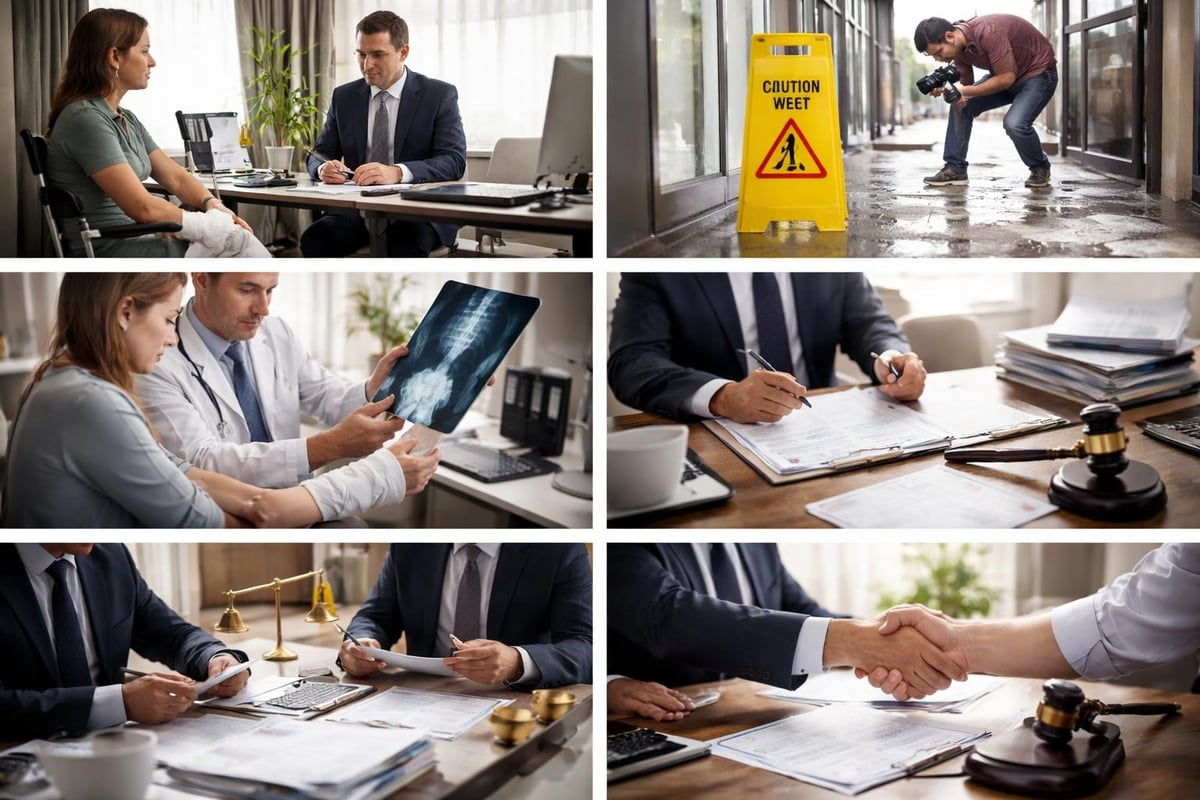
Initial Investigation and Demand
After retaining a fall and slip lawyer, the investigation phase begins immediately. This period typically lasts two to four months, during which your attorney gathers evidence, obtains medical records, consults experts, and builds your case foundation.
Once you reach maximum medical improvement (MMI), meaning your condition has stabilized and doctors can project long-term prognosis, your attorney prepares a demand package. This comprehensive document presents evidence, establishes liability, and demands specific compensation for all damages.
Negotiation and Potential Litigation
Insurance companies rarely accept initial demands without negotiation. The negotiation phase can last several months as parties exchange offers and counteroffers. Your attorney’s experience becomes crucial here, knowing when to push harder and when an offer represents fair value.
If negotiations fail to produce acceptable settlement terms, filing a lawsuit becomes necessary. This doesn’t mean going to trial, as most cases settle even after litigation begins. However, your fall and slip lawyer must be prepared and willing to try cases when insurance companies refuse reasonable compensation.
- Filing the complaint initiates the lawsuit
- Discovery process exchanges evidence between parties
- Depositions gather sworn testimony from witnesses
- Mediation attempts seek settlement before trial
- Trial preparation readies the case for court presentation
- Trial or settlement reaches final resolution
Special Considerations for California Properties
California’s unique property laws and regulations create specific considerations for slip and fall cases. Understanding these nuances helps explain why local legal expertise matters significantly.
Apartment and Rental Property Claims
Los Angeles slip and fall cases in apartment buildings present complex liability questions. Determining whether the landlord, property management company, or maintenance contractor bears responsibility requires understanding California rental housing laws and lease agreements.
Common apartment hazards include broken stairs, inadequate lighting in common areas, pool deck issues, and parking lot defects. Landlords must maintain these areas according to state and local housing codes, creating clear liability standards when they fail to do so.
Commercial Property Liability
Stores, restaurants, and other businesses face strict standards for customer safety. Regular inspections, immediate hazard correction, and proper warning systems are legal requirements, not optional practices. Video surveillance at commercial properties often provides crucial evidence, though obtaining this footage requires quick legal action.
Business owners cannot escape liability by claiming ignorance of hazardous conditions. Courts apply the constructive knowledge standard, asking whether the owner should have known about the hazard through reasonable inspection procedures.
Maximizing Your Settlement Value
Several strategic factors influence final settlement amounts in slip and fall cases. While no attorney can guarantee specific outcomes, certain approaches consistently improve results.
Documentation Completeness
The strength of your documentation directly correlates with settlement value. Insurance adjusters and defense attorneys look for gaps they can exploit to reduce compensation. Comprehensive records eliminate these opportunities and demonstrate the full extent of your losses.
Your fall and slip lawyer should gather:
- Complete medical records from all treating providers
- Expert reports establishing long-term prognosis and future care needs
- Vocational assessments if injuries affect work capacity
- Psychological evaluations documenting emotional trauma
- Economic analyses calculating lifetime financial impact
Missing documentation weakens your negotiating position and potentially leaves compensation on the table.
Demonstrating Liability Clearly
The more convincingly you prove the property owner’s negligence, the higher your settlement value. Clear liability cases settle for more because defendants recognize their exposure at trial. Your attorney must present evidence that makes denying responsibility untenable.
Strong liability proof includes:
- Maintenance records showing the owner knew about hazards
- Prior incidents at the same location establishing notice
- Code violations demonstrating regulatory non-compliance
- Expert testimony explaining how the condition created danger
- Witness statements corroborating your accident account
Insurance companies settle based on risk assessment. When liability is clear and damages are well-documented, they face significant trial risk and adjust settlement offers accordingly.
Working with Your Legal Team
Successful outcomes require effective collaboration between you and your fall and slip lawyer. Understanding your role in the process helps ensure nothing undermines your case value.
Communication and Cooperation
Maintain open communication with your legal team throughout the process. Report any new symptoms or medical developments immediately, as these may affect your claim value. Follow all attorney advice regarding social media use, since insurance companies routinely monitor accident victims’ online activity for contradictory statements or posts.
Provide requested documents promptly and completely. Delays in gathering medical records or employment information can stall your case and extend the already lengthy process. Your attorney cannot build the strongest possible case without your cooperation and timely information.
Understanding Fee Structures
Most fall and slip lawyers work on contingency fees, meaning they receive payment only if you recover compensation. Understanding personal injury attorney fees helps you make informed decisions about representation and settlement offers.
| Fee Component | Typical Arrangement | What It Covers |
|---|---|---|
| Contingency Percentage | 33-40% of recovery | Attorney time, expertise, case handling |
| Case Costs | Advanced by firm, repaid from settlement | Filing fees, expert witnesses, record fees |
| No Recovery Clause | No fee if case loses | Attorney assumes financial risk |
Quality representation requires substantial investment in case development. Firms that advance all costs demonstrate confidence in your case and commitment to maximum results rather than quick settlements.
Special Injury Considerations
Certain slip and fall injuries create unique legal and medical complexities that affect case strategy and valuation. Recognizing these factors helps set appropriate expectations.
Traumatic Brain Injuries
Head injuries from falls represent some of the most serious and valuable claims. Even “mild” concussions can cause lasting cognitive problems affecting work performance and quality of life. Traumatic brain injuries require specialized medical experts who can document subtle neurological changes that may not appear on standard imaging.
Your fall and slip lawyer should retain neuropsychologists for comprehensive testing and neurologists for long-term prognosis. These injuries often worsen over time, making it critical to wait until the full extent becomes apparent before settling.
Fractures and Orthopedic Injuries
Broken bones from slip and fall accidents frequently require surgery, extensive rehabilitation, and sometimes permanent hardware installation. Average settlements for broken bone injuries vary widely based on fracture location, treatment complexity, and permanent limitations.
Hip fractures in elderly victims often prove catastrophic, leading to reduced mobility, loss of independence, and sometimes fatal complications. These cases demand thorough documentation of how the injury fundamentally altered the victim’s life trajectory.
Spinal Cord and Back Injuries
Slip and fall accidents commonly cause herniated discs, spinal fractures, and other back injuries that create chronic pain and disability. These injuries often require extensive treatment including epidural injections, physical therapy, and potentially spinal fusion surgery.
Proving causation becomes particularly important with back injuries, as insurance companies frequently argue pre-existing degenerative conditions caused your problems rather than the fall. Your attorney must secure expert medical testimony distinguishing pre-existing conditions from new, accident-related injuries.
Why Legal Representation Matters
Many slip and fall victims initially consider handling claims themselves to avoid legal fees. This approach rarely produces optimal results and often leads to significantly reduced compensation or denied claims entirely.
Insurance Company Tactics
Professional claims adjusters employ sophisticated strategies to minimize payouts. They may contact you immediately after an accident, hoping to secure recorded statements before you understand your injuries’ full extent. They phrase questions to elicit responses that undermine your claim and use your own words against you during negotiations.
Without a fall and slip lawyer protecting your interests, you may inadvertently:
- Accept early settlement offers that severely undervalue your claim
- Make statements that insurance companies twist to deny liability
- Miss critical filing deadlines that permanently bar your claim
- Fail to identify all potentially liable parties who should contribute
- Overlook damage categories you deserve to include
Insurance adjusters handle hundreds of claims annually. They know which arguments work and how to exploit unrepresented claimants’ lack of legal knowledge.
Leveling the Playing Field
Experienced legal representation balances the power dynamic inherent in personal injury claims. Your attorney understands the same tactics insurance companies employ and knows how to counter them effectively. They handle all communication, preventing you from making damaging statements while focusing on your medical recovery.
Professional representation also signals to insurance companies that you’re serious about obtaining fair compensation. Cases with retained attorneys statistically settle for significantly higher amounts than unrepresented claims, even after deducting legal fees.
Slip and fall accidents can dramatically impact your life, creating financial hardship and physical suffering that extends far beyond the initial incident. Understanding your legal rights, the evidence necessary to prove your claim, and the strategic considerations that maximize compensation helps you make informed decisions about your case. If you’ve been injured in a slip and fall accident on someone else’s property, Steven M Sweat, Personal Injury Lawyers, APC provides the experienced representation you need to hold negligent property owners accountable and secure the full compensation you deserve for your injuries and losses.