- Free Consultation: 866-966-5240 Tap Here To Call Us











Personal Injury Lawyer Culver City: Your 2026 Guide


When accidents happen in Culver City, victims face immediate challenges that extend far beyond physical injuries. Medical bills accumulate rapidly, insurance companies push for quick settlements, and the path to fair compensation becomes increasingly complex. Finding a qualified personal injury lawyer Culver City residents can trust becomes essential for protecting your rights and securing the financial recovery you deserve. Understanding your legal options and the local landscape of personal injury law helps you make informed decisions during a difficult time.
Understanding Personal Injury Law in Culver City
Personal injury law in California operates under specific statutes and regulations that govern how victims can seek compensation for their injuries. The state follows a pure comparative negligence system, meaning you can recover damages even if you’re partially at fault for an accident. However, your compensation will be reduced by your percentage of fault.
Common Types of Personal Injury Cases
Culver City sees a diverse range of personal injury cases throughout the year. Understanding which category your situation falls into helps you prepare for the legal process ahead.
Motor vehicle accidents represent the largest category of personal injury claims in the area:
- Car collisions on major thoroughfares like Washington Boulevard and Sepulveda Boulevard
- Motorcycle accidents in Los Angeles and surrounding communities
- Pedestrian accidents at busy intersections
- Bicycle accidents on shared roadways
- Rideshare incidents involving Uber and Lyft vehicles
Premises liability cases arise when property owners fail to maintain safe conditions:
- Slip and fall accidents in retail stores, restaurants, and commercial properties
- Inadequate security leading to assaults or robberies
- Swimming pool accidents and drowning incidents
- Dog bites and animal attacks
- Hazardous conditions in apartment complexes
Product liability claims involve defective or dangerous products that cause injuries, while medical malpractice cases address negligent healthcare that results in patient harm.

California Statutes of Limitations
Time limits for filing personal injury claims are strictly enforced in California. The California personal injury law framework establishes clear deadlines that vary based on your case type.
| Case Type | Filing Deadline | Special Considerations |
|---|---|---|
| Auto accidents | 2 years | From date of injury |
| Slip and fall | 2 years | From date of incident |
| Medical malpractice | 1-3 years | Complex discovery rules apply |
| Government claims | 6 months | Must file claim before lawsuit |
| Product liability | 2 years | Discovery rule may apply |
Missing these deadlines typically results in permanent loss of your right to compensation. A personal injury lawyer Culver City professionals recommend can ensure all paperwork is filed correctly and timely.
Choosing the Right Personal Injury Attorney
Selecting legal representation requires careful evaluation of multiple factors. Your attorney becomes your advocate, negotiator, and guide through a complex legal process that can take months or even years to resolve.
Essential Qualifications to Evaluate
Experience with similar cases stands as the most critical factor. An attorney who regularly handles cases like yours understands the medical evidence, expert witnesses, and negotiation strategies that produce favorable outcomes. Ask potential attorneys about their track record with cases involving your type of injury.
Local knowledge provides distinct advantages in Culver City personal injury cases. Attorneys familiar with local courts, judges, and opposing counsel can anticipate challenges and develop more effective strategies. They understand which experts carry weight in local proceedings and how to present evidence persuasively to area juries.
Resources and support staff determine an attorney’s ability to handle complex cases effectively:
- Access to medical experts, accident reconstructionists, and economists
- Investigators who can gather evidence and interview witnesses
- Support staff who manage documentation and court filings
- Financial resources to advance case costs before settlement
Communication style and availability significantly impact your experience. Finding the right personal injury attorney means working with someone who explains legal concepts clearly, responds promptly to questions, and keeps you informed throughout the process.
Fee Structures and Costs
Most personal injury lawyers work on contingency fees, meaning they only get paid if you win your case. Understanding this arrangement helps you plan financially and avoid surprises.
The standard contingency fee ranges from 33% to 40% of your settlement or verdict. The percentage often increases if your case goes to trial rather than settling during negotiations. Before signing a fee agreement, clarify:
- The exact percentage at each stage (settlement vs. trial)
- Whether case costs are deducted before or after the fee calculation
- Your responsibility for costs if the case is lost
- How medical liens and other debts will be handled from the settlement
Some firms offer free evaluation of personal injury claims to help potential clients understand their case value before committing to representation.

Building a Strong Personal Injury Case
Successful claims require comprehensive evidence, strategic planning, and thorough documentation. Your personal injury lawyer Culver City experts recommend should guide you through each step while you focus on recovery.
Immediate Steps After an Accident
Seek medical attention immediately, even if injuries seem minor. Some conditions worsen over time, and delayed treatment creates gaps that insurance companies exploit to minimize your claim. Medical records establish the connection between the accident and your injuries.
Document everything thoroughly:
- Photograph accident scenes, vehicle damage, hazardous conditions, and visible injuries
- Collect contact information from witnesses
- Obtain police reports and incident documentation
- Keep all medical records, bills, and receipts
- Maintain a daily journal tracking pain levels, limitations, and treatment
Preserve evidence before it disappears. Property owners may repair dangerous conditions, surveillance footage gets overwritten, and witnesses’ memories fade. Your attorney can send preservation letters requiring parties to maintain evidence.
Avoid giving recorded statements to insurance adjusters without attorney guidance. Insurers often use your words against you, taking statements out of context to reduce their liability. The personal injury claims process in California involves strategic communication timing.
Calculating Your Claim Value
Accurate valuation requires analyzing multiple damage categories. Undervaluing your claim leads to insufficient settlements that don’t cover long-term needs.
Economic damages include quantifiable financial losses:
- Past and future medical expenses
- Lost wages and reduced earning capacity
- Property damage costs
- Rehabilitation and assistive device expenses
- Home modifications for permanent disabilities
Non-economic damages compensate for intangible losses that significantly impact quality of life:
- Physical pain and suffering
- Emotional distress and mental anguish
- Loss of enjoyment of life activities
- Disfigurement and scarring
- Loss of consortium for affected family members
California law allows recovery of these damages in most personal injury cases. However, California personal injury law places caps on non-economic damages in medical malpractice cases.
Navigating Insurance Negotiations
Insurance companies employ sophisticated strategies to minimize payouts. Understanding their tactics helps you avoid common pitfalls that reduce your compensation.
Common Insurance Company Tactics
Quick settlement offers arrive before you fully understand your injuries or long-term prognosis. While tempting, especially when bills are piling up, these offers typically represent a fraction of your claim’s true value. Once you accept and sign a release, you cannot pursue additional compensation.
Surveillance and social media monitoring has become standard practice. Adjusters search for evidence contradicting your injury claims. They review Facebook posts, Instagram photos, and other online activity seeking images of you engaging in physical activities. Even innocent activities can be misrepresented to suggest exaggerated injuries.
Delays and administrative obstacles frustrate claimants into accepting less. Insurance companies request repeated documentation, claim forms are lost or incomplete, and adjusters become unavailable. These tactics pressure victims to settle quickly just to end the process.
Disputing liability and causation challenges whether the insured party was at fault or whether your injuries resulted from the accident. Adjusters point to pre-existing conditions, alternative causes, or contributory negligence to reduce their obligation.
Effective Negotiation Strategies
A skilled personal injury lawyer Culver City victims trust employs proven negotiation techniques that counter insurance tactics and maximize settlements.
Comprehensive demand packages present organized, persuasive evidence of liability and damages. These packages include:
- Detailed accident narratives supported by evidence
- Complete medical records and treatment summaries
- Expert reports on causation and future care needs
- Economic analysis of lost income and expenses
- Visual evidence including photos and video
Strategic timing leverages pressure points in the insurance process. Filing litigation signals your willingness to take the case to trial, often prompting improved settlement offers. Understanding policy limits and the insurer’s exposure helps identify optimal negotiation windows.
Expert medical testimony strengthens your case by establishing injury causation, treatment necessity, and future prognosis. Insurance companies are more likely to offer fair settlements when confronted with credible expert opinions that would persuade a jury.
Special Considerations for Culver City Cases
Local factors influence how personal injury cases develop and resolve in Culver City. Understanding these nuances helps set realistic expectations and prepare effectively.
Government Entity Claims
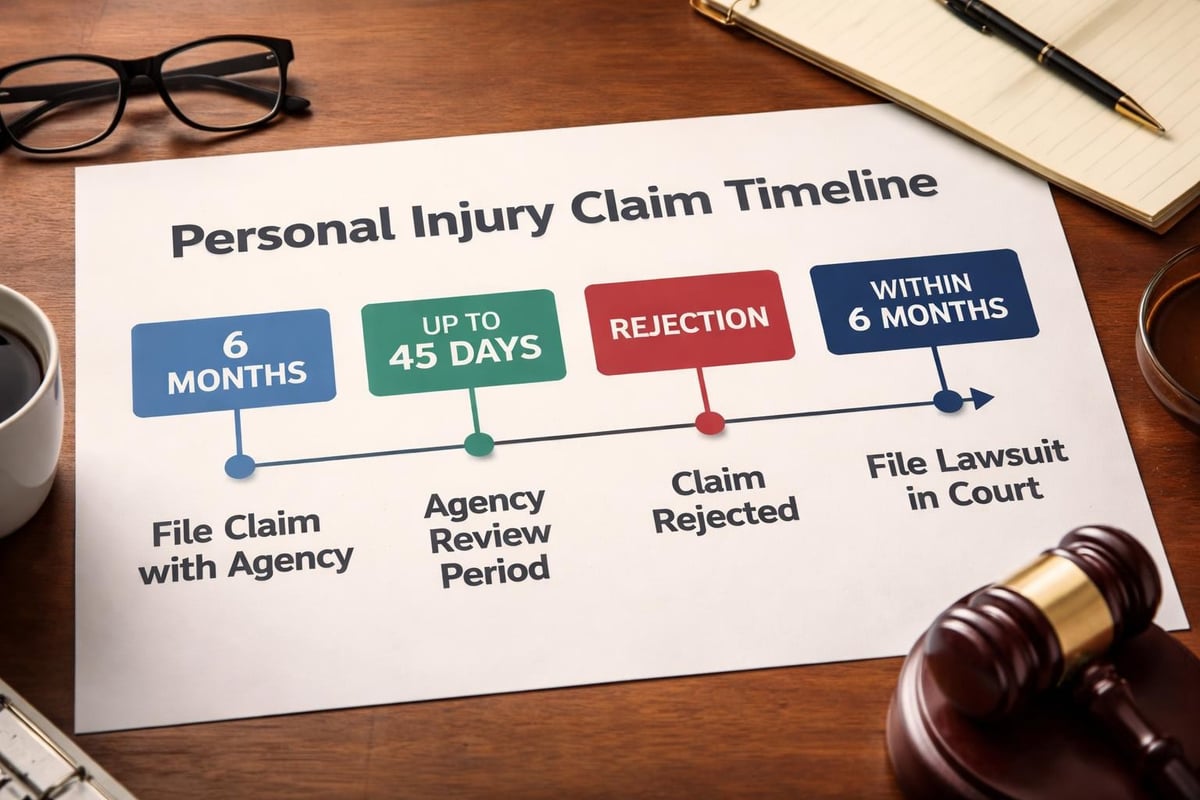
Accidents involving city vehicles, public transportation, or government property require compliance with the California Government Claims Act. You must file a formal claim within six months of the injury, a much shorter deadline than standard personal injury cases.
The claims process involves:
- Completing and submitting a government claim form to the appropriate agency
- Waiting for the agency’s response (typically 45 days)
- Receiving a rejection or deemed rejection if no response
- Filing a lawsuit within six months of the rejection
Government entities have special protections and immunities that limit when they can be sued. Dangerous condition claims require proving the entity had notice of the hazard and failed to correct it within a reasonable time.
Venue and Court Selection
While Culver City falls within Los Angeles County, venue selection can impact your case strategy. The location where you file your lawsuit affects:
- Which judge hears your case
- Jury composition and potential verdicts
- Court procedures and local rules
- Trial scheduling and timeline
Los Angeles County Superior Court handles most personal injury cases through its extensive civil division. However, cases can be filed in different courthouses based on where the accident occurred or where defendants reside.
| Courthouse | Location | Typical Characteristics |
|---|---|---|
| Stanley Mosk | Downtown LA | Complex cases, experienced judges |
| Santa Monica | West LA | Convenient for Culver City cases |
| Torrance | South Bay | Efficient calendaring system |
Your attorney’s experience in specific courthouses provides strategic advantages through familiarity with local procedures and judicial preferences.
Medical Treatment and Documentation
Quality medical care serves dual purposes: healing your injuries and building evidence for your claim. How you approach treatment significantly impacts both your recovery and compensation.
Choosing Healthcare Providers
Follow doctor recommendations consistently. Gaps in treatment suggest injuries aren’t serious, while excessive treatment raises questions about necessity. Attend all appointments, complete prescribed therapy, and document reasons for any missed sessions.
Select appropriate specialists based on your specific injuries:
- Orthopedic surgeons for bone fractures and joint injuries
- Neurologists for head trauma and nerve damage
- Pain management specialists for chronic pain conditions
- Physical therapists for rehabilitation and functional recovery
- Psychologists for emotional trauma and PTSD
Consider treatment liens when insurance doesn’t cover immediate medical expenses. Many providers treat personal injury clients on a lien basis, agreeing to wait for payment until your case settles. This arrangement ensures you receive necessary care without upfront costs.
Creating a Medical Timeline
Organized medical documentation demonstrates the progression and severity of your injuries. Your personal injury lawyer Culver City specialists work with should help compile:
- Initial emergency room or urgent care records
- Diagnostic imaging results (X-rays, MRIs, CT scans)
- Treatment notes from all healthcare providers
- Prescription records and medication lists
- Physical therapy reports and progress notes
- Surgical records and post-operative care documentation
This comprehensive timeline counters insurance arguments about pre-existing conditions or unrelated injuries by showing clear progression from the accident through treatment and recovery.
Trial Preparation and Litigation
While most personal injury cases settle without trial, preparing for litigation strengthens your negotiating position and ensures readiness if settlement negotiations fail.
The Discovery Process
Discovery allows both sides to gather evidence and understand the opposing party’s case. This formal process includes several components:
Interrogatories are written questions requiring sworn answers about the accident, injuries, medical treatment, and damages. Responses must be complete and truthful, as they can be used at trial.
Requests for production demand documents, photographs, medical records, and other tangible evidence. Both sides exchange information relevant to proving or defending the claim.
Depositions involve sworn testimony recorded by a court reporter. Attorneys question parties and witnesses about their knowledge of the accident and injuries. Deposition testimony can be used at trial if witnesses become unavailable or contradict their earlier statements.
Independent medical examinations may be required if you claim serious injuries. The defense selects a doctor to evaluate you and provide an opinion about your condition, treatment, and prognosis. These examinations are often contentious, as defense doctors tend to minimize injury severity.
Building Expert Testimony
Expert witnesses provide specialized knowledge that helps juries understand complex issues. Common expert types in personal injury trials include:
- Medical experts explain injuries, treatment necessity, and future care needs
- Accident reconstructionists analyze how accidents occurred and establish fault
- Vocational experts assess lost earning capacity and employment limitations
- Life care planners calculate future medical and assistance costs for severe injuries
- Economic experts quantify total financial damages including lost future income
The credibility and qualifications of your experts significantly influence trial outcomes. Experienced personal injury attorneys maintain relationships with respected experts who present testimony persuasively to juries.
Maximizing Your Settlement
Strategic decisions throughout your case impact the final settlement amount. Understanding what influences case value helps you make informed choices about treatment, negotiations, and whether to accept settlement offers.
Factors That Increase Settlement Value
Severity and permanence of injuries directly correlate with compensation amounts. Catastrophic injuries resulting in permanent disability command higher settlements than temporary injuries that fully heal. Clear medical evidence of permanent impairment strengthens demands for substantial compensation.
Strong liability evidence eliminates disputes about fault, forcing insurers to focus solely on damage valuation. Video footage, witness statements, and physical evidence that clearly establish the defendant’s negligence increase settlement leverage.
Sympathetic circumstances influence jury perception and settlement negotiations. Injuries to children, elderly victims, or those resulting from particularly reckless conduct often result in higher verdicts, motivating insurers to settle for increased amounts rather than risk trial.
Attorney reputation and trial record impacts how aggressively insurers defend cases. Attorneys known for taking cases to trial and winning substantial verdicts receive better settlement offers than those who primarily settle quickly. Insurance companies maintain databases tracking attorney outcomes and adjust their strategies accordingly.
When to Accept Settlement Offers
Timing settlement acceptance requires balancing multiple considerations:
- Have you reached maximum medical improvement?
- Do you understand the full extent of future treatment needs?
- Has your attorney obtained expert opinions on case value?
- Does the offer adequately compensate all economic and non-economic damages?
- What are the risks and costs of continued litigation?
Never accept a settlement without consulting your attorney and ensuring you understand what you’re giving up. Understanding personal injury attorney fees helps you calculate your net recovery after costs and legal fees.
Understanding California Legal Precedents
California case law establishes important principles that affect personal injury claims. Awareness of significant precedents helps you understand how courts evaluate liability and damages.
Landmark Personal Injury Cases
Landeros v. Flood established critical standards for medical malpractice cases involving failure to diagnose. This case demonstrates how healthcare providers can be held liable when they miss obvious signs of abuse or injury, creating lasting obligations for proper examination and reporting.
Other important California precedents address:
- Comparative negligence and how fault is allocated among multiple parties
- Premises liability standards for property owner responsibilities
- Product liability strict liability standards
- Employer liability for employee actions during work duties
Your attorney uses these precedents to argue how courts should apply established legal principles to your specific circumstances, strengthening your negotiating position and trial presentation.
Evolving Legal Standards
Personal injury law continues developing through new legislation and court decisions. Recent trends affecting Culver City cases include:
Expanded liability for rideshare companies has clarified when Uber and Lyft are responsible for accidents involving their drivers, providing clearer paths to compensation for injured passengers and other victims.
Stricter premises liability standards for retail establishments have increased property owner responsibilities for maintaining safe conditions and protecting customers from foreseeable hazards.
Enhanced protections for elder abuse victims allow for greater damages and attorney fees in cases involving neglect or abuse in nursing homes and assisted living facilities, addressing the growing problem of inadequate senior care.
Working With Steven M Sweat Personal Injury Lawyers
Selecting the right legal team means partnering with attorneys who combine extensive experience, local knowledge, and personalized attention to your case. Understanding what sets exceptional firms apart helps you make this critical decision.
Comprehensive Case Management
Effective personal injury representation extends beyond courtroom advocacy. Top-tier firms provide complete support throughout your recovery and legal process:
- Coordinating with medical providers to ensure comprehensive treatment
- Handling insurance communications to protect your interests
- Managing liens from healthcare providers and insurance companies
- Investigating accidents thoroughly to preserve critical evidence
- Negotiating with all responsible parties and their insurers
This comprehensive approach allows you to focus on healing while your legal team handles the complex details of building and presenting your claim.
Client-Centered Service Philosophy
The attorney-client relationship should prioritize your needs, concerns, and goals. Quality representation includes:
- Regular communication about case progress and developments
- Clear explanations of legal options and potential outcomes
- Accessibility when questions or concerns arise
- Transparency about case strengths, weaknesses, and realistic expectations
- Respect for your decision-making authority on key choices
Firms that truly prioritize clients invest time in understanding how injuries have affected your life, family, and future plans. This knowledge informs settlement demands and trial presentations that fully account for your unique circumstances.
Resources for Complex Cases
Serious injury cases require substantial resources for proper investigation and litigation. Leading firms maintain:
- Relationships with top medical experts across specialties
- Access to accident reconstruction specialists and forensic analysts
- Financial capability to advance significant case costs
- Technology for creating compelling trial presentations
- Support staff experienced in managing complex documentation
These resources become especially critical in cases involving catastrophic injuries, disputed liability, or multiple responsible parties. Firms lacking adequate resources may pressure clients to accept inadequate settlements rather than investing in thorough case development.
Finding a qualified personal injury lawyer Culver City residents can depend on makes the difference between inadequate compensation and full financial recovery after serious accidents. From understanding California’s complex legal requirements to navigating insurance negotiations and building compelling evidence, experienced representation protects your rights at every stage. If you’ve been injured due to someone else’s negligence, Steven M Sweat, Personal Injury Lawyers, APC provides the dedicated advocacy and proven results you need to secure the compensation you deserve.