- Free Consultation: 866-966-5240 Tap Here To Call Us











Lyft Accident Lawyer Los Angeles: Claims, Liability, Steps


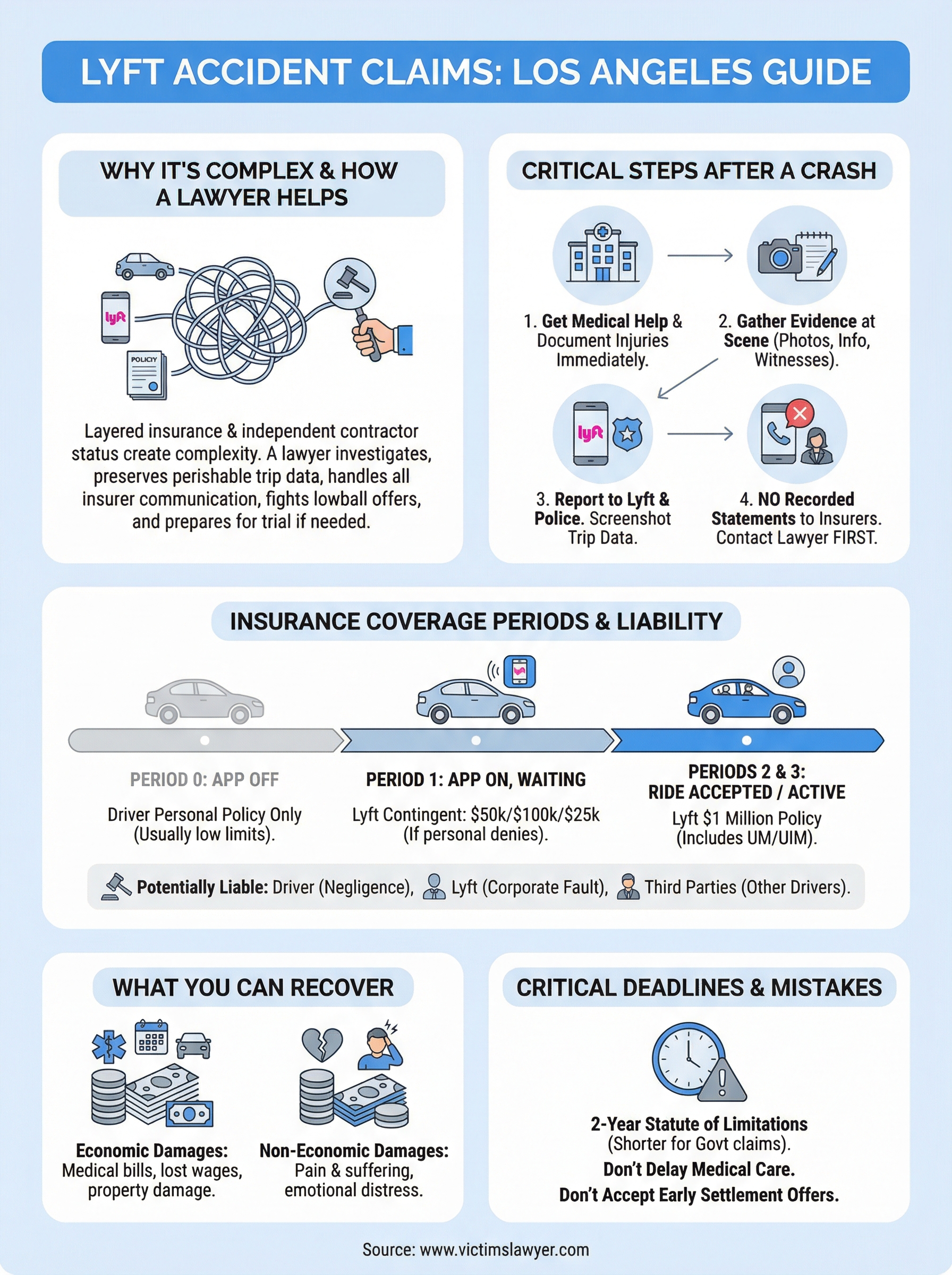
Article Summary: Navigating a Lyft accident claim in Los Angeles requires understanding a complex, layered insurance structure that differs significantly from standard vehicle collisions. Because Lyft drivers are classified as independent contractors, liability and available coverage depend heavily on the driver’s app status at the time of impact. Insurance protections range from contingent liability during wait times to a $1 million commercial policy during active trips. To protect their rights, victims must prioritize immediate medical care, document the accident scene, and preserve digital trip data through screenshots. A specialized rideshare attorney manages the intricate process of investigating GPS logs, handling aggressive insurance adjusters, and identifying all liable parties, including third-party drivers or corporate entities. Potential compensation includes economic damages for medical bills and lost wages, as well as non-economic damages for pain and suffering. It is vital to act quickly to comply with California’s two-year statute of limitations and avoid pitfalls like providing recorded statements or accepting lowball settlements. Engaging legal counsel early ensures that critical evidence is preserved and that the full scope of long-term recovery is accurately calculated to secure the compensation victims truly need.
Rideshare accidents involving Lyft create a tangle of insurance claims and liability questions that most people are not prepared to handle on their own. If you were hurt as a passenger, a pedestrian, a cyclist, or another driver in a collision with a Lyft vehicle, finding a Lyft accident lawyer Los Angeles residents trust can be the difference between a lowball insurance offer and the full compensation you actually need to cover medical bills, lost wages, and long-term recovery.
What makes these cases different from a standard car accident claim is the layered insurance structure. Lyft carries commercial policies that can reach $1 million or more, but the coverage that applies depends on whether the driver was logged into the app, waiting for a ride request, or actively transporting a passenger. Insurance companies on all sides have financial incentives to shift blame and minimize payouts, and they are very good at it. You need someone who knows how to cut through that process and hold the right parties accountable.
At Steven M. Sweat, Personal Injury Lawyers, APC, we have spent over 25 years representing accident victims across Los Angeles and throughout California. Our firm has recovered hundreds of millions of dollars in verdicts and settlements for clients facing exactly these situations. This article breaks down how Lyft accident claims work, who may be liable, and the specific steps you should take to protect your right to compensation after a rideshare collision.
What a Lyft accident lawyer does for you
A Lyft accident lawyer Los Angeles victims hire is not just someone who files paperwork. They are your advocate from the moment you call to the moment your case resolves, handling legal complexity so you can focus on recovering. Rideshare cases involve multiple insurance policies, a corporate entity, and independent contractor status questions that require specific legal knowledge to navigate correctly.
Investigating the accident and building your case
The first thing your lawyer does is gather evidence before it disappears. Lyft keeps driver data, GPS records, and trip logs, but that information does not stay available indefinitely. Your attorney sends preservation demand letters to Lyft and the relevant insurance carriers quickly, ensuring those records are protected before they are overwritten or destroyed. They also obtain the police report, collect witness statements, request surveillance footage from nearby businesses, and work with accident reconstruction experts when the facts are in dispute.
The window to preserve critical Lyft trip data can close within days of the crash, which is one of the strongest reasons to contact an attorney as soon as possible.
Building your case also means documenting your injuries in detail. Your lawyer works with your treating physicians and, when necessary, independent medical experts to establish a clear link between the collision and your physical condition. That documentation becomes the foundation for calculating what your claim is actually worth.
Handling insurance companies on your behalf
Insurance adjusters from Lyft’s carrier and the driver’s personal insurer will both want recorded statements from you early on. Giving those statements without legal guidance is one of the most damaging mistakes accident victims make. Adjusters are trained to find details they can use to reduce your payout, and anything you say on the record can be used against you later. Your attorney handles all communication with those adjusters so you do not accidentally weaken your own claim.
Your lawyer also analyzes which coverage period applies to your specific accident, identifies the available policy limits, and files claims against the correct parties. When Lyft’s insurer offers a settlement that falls short of your actual losses, your attorney pushes back with documented evidence and the willingness to take the case to court if necessary.
Taking your case to trial when needed
Most Lyft accident claims settle before trial, but the ability to litigate credibly is what gives your lawyer real negotiating leverage at the settlement table. Insurance companies pay more when they know your attorney has trial experience and a record of favorable verdicts. A firm with a proven courtroom reputation changes how insurers calculate their risk and respond during negotiations.
If your case does go to trial, your attorney presents the evidence, examines witnesses, and argues your position before a judge or jury. You do not need to understand every procedural step in California civil litigation. That responsibility belongs to your lawyer, which frees you to put your energy into medical treatment and recovery rather than procedural deadlines and legal strategy. The goal throughout the entire process is to make sure your compensation reflects the full impact of the crash on your life, not just the minimum number an insurer is willing to write a check for.
Why Lyft accident claims work differently than car crashes
A typical two-car collision involves two drivers and two personal auto insurance policies. A Lyft accident is structurally different from the moment it happens. You are dealing with a driver who operates as an independent contractor, a corporate entity with its own commercial policy, and a claims process designed to route your case toward the lowest possible payout. Understanding those differences is the first step toward protecting your claim.
The independent contractor issue
Lyft classifies its drivers as independent contractors, not employees. That classification is not accidental. It allows Lyft to argue it is not directly responsible for a driver’s negligent behavior behind the wheel. However, California courts and regulators have consistently scrutinized that argument, and in many situations the facts still support holding Lyft accountable for what its drivers do on the platform. A lyft accident lawyer los angeles victims work with knows how to challenge that classification and identify where Lyft’s own liability begins.
Because the driver is not considered an employee in the traditional sense, you cannot simply file a workplace injury claim or hold Lyft liable through standard employer liability rules. Your attorney has to build the case around the specific circumstances of the trip and the applicable insurance periods, which requires both legal knowledge and factual precision.
Multiple policies, multiple disputes
When you file a claim after a Lyft crash, you are not dealing with one insurer. Depending on the driver’s app status at the time of the crash, Lyft’s commercial policy, the driver’s personal auto policy, or both may be involved. Each carrier has its own adjusters, its own legal team, and its own incentive to minimize the payout or push responsibility onto the other party.
This multi-carrier dynamic is the primary reason Lyft accident claims drag on longer and require more documentation than standard collision claims.
Your claim may also involve uninsured or underinsured motorist coverage if another driver caused the crash and lacks adequate insurance. Sorting out which policies apply, in what order, and up to what limits is work that requires someone who has handled these cases before and knows exactly where the disputes tend to surface.
What to do after a Lyft crash in Los Angeles
The steps you take immediately after a Lyft collision directly affect the strength of your claim. Insurance companies document their own information quickly, and every delay on your end gives them an advantage. Following a clear, deliberate sequence of actions protects both your health and your legal rights from the moment the crash happens.
Get medical attention and document everything at the scene
Your health comes first. Even if you feel fine at the scene, internal injuries and soft tissue damage often do not show full symptoms for hours or days. Go to the emergency room or an urgent care clinic as soon as you leave, and make sure every symptom is recorded in your medical file. Those records become critical evidence when your attorney calculates your damages.
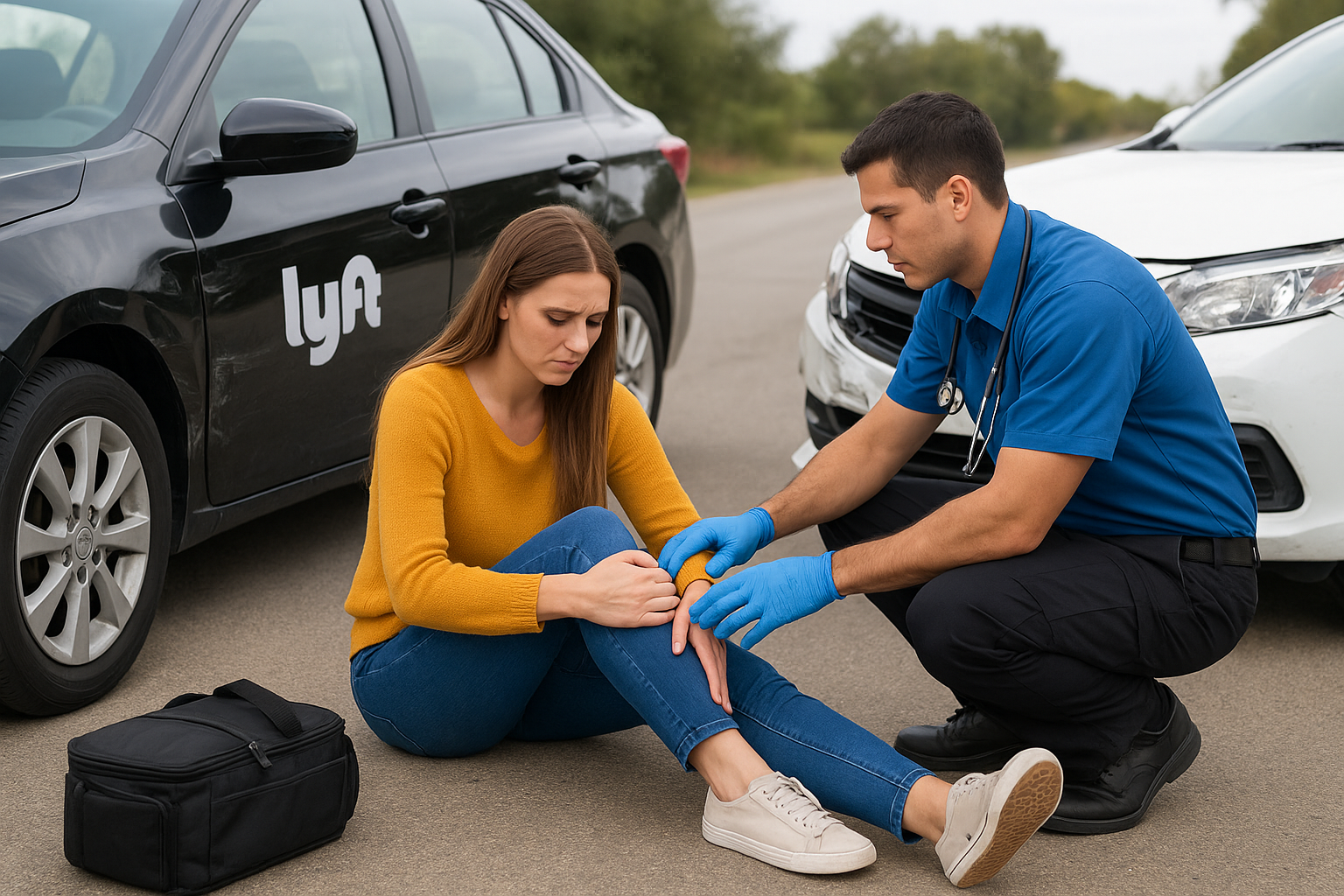
At the crash site, photograph every vehicle, every visible injury, and the road conditions and exact location. Collect the Lyft driver’s name, license plate, and insurance details. If witnesses are present, get their names and contact information before they leave.
Report the crash and protect your digital evidence
You should report the collision through the Lyft in-app safety tools and to local law enforcement. A police report creates an official record that supports your account of events. Take a screenshot of your Lyft trip details before you close the app, because that information confirms the driver’s active status on the platform at the time of the crash.
Screenshotting your Lyft trip log immediately after the collision is one of the simplest protective steps you can take, and one of the most commonly overlooked.
Social media posts about the accident can hurt your claim significantly. Insurance adjusters actively monitor public profiles for statements or photos that contradict an injury claim. Keep all details about the crash and your injuries off social media until your case resolves.
Contact a Lyft accident lawyer before talking to any insurer
Any lyft accident lawyer los angeles residents rely on will give you the same advice: do not provide a recorded statement to any insurance adjuster before speaking with legal counsel. Carriers move fast after rideshare crashes, and an early call from an adjuster is a tactic designed to lock in your account before you understand the full scope of your injuries or your options. Call an attorney first and let them handle every conversation that follows.
Who can be liable in a Lyft accident
Liability in a Lyft crash rarely falls on just one person. Multiple parties can share responsibility for the same collision, and identifying each one is critical to recovering full compensation. A skilled lyft accident lawyer Los Angeles residents count on investigates every angle before deciding which parties to pursue, because leaving out a liable defendant can mean leaving significant money on the table.

The Lyft driver
The driver is the most direct target in most rideshare crash cases. When a Lyft driver causes a collision through speeding, distracted driving, running a red light, or any other form of negligence, that driver carries personal legal responsibility for the injuries that result. California law allows you to pursue a negligence claim directly against the driver regardless of whether Lyft’s commercial policy also applies.
If the driver was using the Lyft app at the time of the crash, their active platform status opens the door to Lyft’s insurance coverage on top of any personal liability.
Lyft as a corporate entity
Lyft can face direct liability in specific circumstances even with its independent contractor classification. If Lyft failed to perform adequate background checks, retained a driver with a history of dangerous behavior, or designed a platform that encouraged unsafe habits, those failures can support a negligence claim against the company itself. Your attorney examines Lyft’s own conduct separately from the driver’s actions to determine whether the company shares accountability.
Third-party drivers and other negligent parties
In many Lyft crashes, another driver, not the Lyft operator, caused the collision. A distracted driver, a drunk driver, or someone who ran a stop sign can be the primary at-fault party even when a Lyft vehicle is involved. In those cases, your claim runs against that driver’s personal insurance policy, and you may also have access to Lyft’s uninsured or underinsured motorist coverage if the at-fault driver carries insufficient limits.
Other potential defendants include vehicle manufacturers if a defective part contributed to the crash, or government entities if hazardous road conditions played a role. Building a complete liability picture ensures no responsible party avoids accountability and that your compensation reflects the actual cause of your injuries.
Lyft insurance coverage periods and limits
Lyft’s insurance structure follows three distinct coverage periods, and the period that applies to your crash determines which policy is available and how much compensation you can access. Understanding how these periods work is something any lyft accident lawyer Los Angeles residents rely on will explain early in your case, because the difference between periods can mean hundreds of thousands of dollars in available coverage. Before you speak with any insurance adjuster, your attorney needs to confirm exactly which period was active at the moment of impact.
Period 1: App on, waiting for a ride request
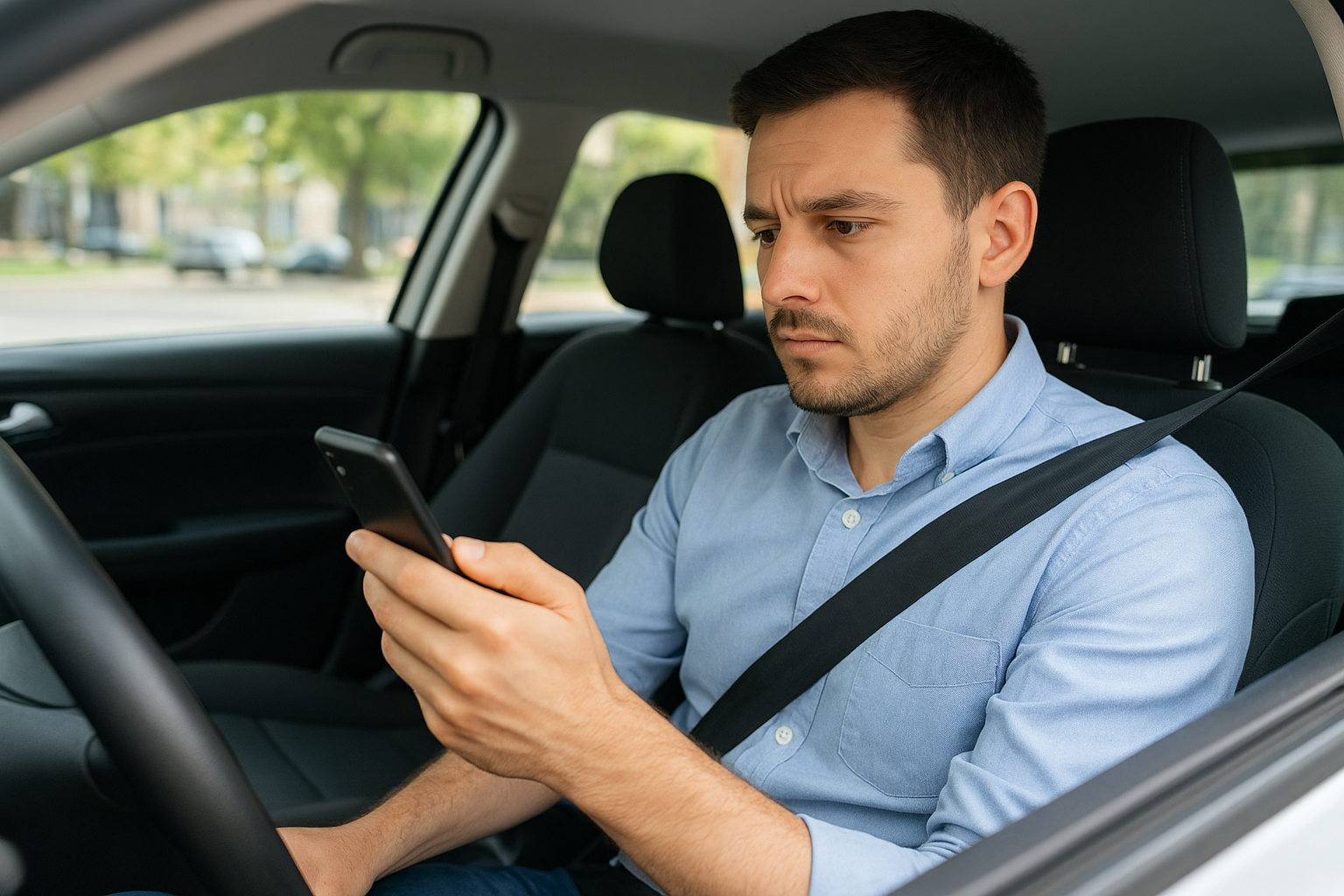
When a Lyft driver has the app open but has not yet accepted a ride, Lyft provides contingent liability coverage only if the driver’s personal insurance does not apply first. That contingent coverage reaches $50,000 per person injured, $100,000 per accident, and $25,000 for property damage. These limits are significantly lower than what Lyft carries during an active trip, which is why establishing the exact app status at the time of your crash matters enormously to how your claim gets valued.
If the driver’s personal insurer denies the claim because the vehicle was in commercial use, Lyft’s Period 1 coverage steps in as the fallback policy.
Periods 2 and 3: Accepted ride and active trip
Once a driver accepts a ride request, Lyft’s full $1 million liability policy activates and stays in effect until the passenger exits the vehicle. Period 2 covers the driver traveling to pick up the rider, and Period 3 covers the actual trip in progress. This $1 million policy also includes uninsured and underinsured motorist coverage, which protects you directly if another driver caused the collision and carries little or no insurance of their own.
Both periods represent the strongest coverage available under Lyft’s commercial structure. If you were riding as a passenger or were injured by a Lyft driver who had already accepted a trip, you have access to policy limits that can cover serious medical treatment, long-term rehabilitation, and substantial lost income.
Period 0: App completely off
When the Lyft app is off entirely, Lyft carries no insurance obligation. The driver’s personal auto policy is the only coverage available, which typically carries much lower limits than any commercial policy and may specifically exclude rideshare-related collisions depending on that policy’s terms.
What compensation you can recover after a Lyft accident
California law allows you to pursue two broad categories of compensation after a rideshare collision: economic damages that cover your measurable financial losses, and non-economic damages that address the personal toll the crash takes on your life. A lyft accident lawyer Los Angeles residents work with will calculate both categories before accepting any settlement offer, because accepting less than you are owed on one category cannot be corrected later.
Economic damages
Economic damages are the documented, out-of-pocket costs the accident created for you. These include all current and future medical expenses such as emergency room visits, surgeries, physical therapy, prescription medications, and any long-term care your injuries require. If the crash forced you to miss work, you can recover lost wages for the time you were unable to earn income, and if your injuries affect your ability to work in the future, your attorney will calculate that projected income loss as part of your total claim.
Your attorney works with medical experts and financial specialists to calculate future costs accurately, because insurance adjusters routinely undervalue what serious injuries actually cost over time.
Property damage to your personal vehicle or belongings is also recoverable under this category. Every receipt, medical bill, and pay stub your attorney collects strengthens your ability to document these losses with precision.
Non-economic damages
Non-economic damages cover the human cost of the accident rather than the dollar figures on your bills. Pain and suffering, emotional distress, anxiety, and the loss of enjoyment in activities you could do before the crash all fall into this category. California does not place a cap on non-economic damages in most personal injury cases, which means serious injuries with lasting personal consequences can support significantly larger claims than the medical bills alone would suggest.
If the crash resulted in the death of a family member, California law also allows surviving relatives to pursue wrongful death damages, including loss of financial support, loss of companionship, and funeral expenses. Your attorney documents both economic and non-economic harm together to build the strongest possible picture of what this collision actually cost you.
Deadlines and pitfalls in California Lyft claims
California law sets firm deadlines for personal injury claims, and missing them eliminates your right to compensation entirely regardless of how strong your case is. Every lyft accident lawyer Los Angeles clients depend on will flag these deadlines immediately, because courts do not grant extensions based on ignorance of the rules.
The two-year statute of limitations
Under California Code of Civil Procedure Section 335.1, you have two years from the date of the crash to file a personal injury lawsuit. That window sounds generous, but building a strong case takes time, and waiting until month 23 leaves your attorney almost no room to conduct proper discovery or negotiate effectively before the deadline closes. If your injuries involved a government-owned vehicle or a government entity as a defendant, the timeline tightens further. You must file an administrative claim with that government body within six months of the incident before you can sue.
Starting your claim early gives your attorney the time needed to gather Lyft’s trip records, depose witnesses, and consult medical experts without the pressure of an expiring deadline.
Common mistakes that reduce your payout
Many valid claims lose value long before they reach settlement because of avoidable errors in the days and weeks after the crash. Delaying medical treatment is one of the most damaging. When a gap appears between the accident date and your first medical visit, insurers use that gap to argue your injuries were not caused by the collision or were not serious. Seeing a doctor the same day protects both your health and your legal position.
Accepting an early settlement offer from Lyft’s insurer is another costly mistake. Those early offers arrive before you fully understand your medical prognosis, which means you may be settling for less than your future treatment costs will actually require. Once you sign a release, you cannot return for additional compensation no matter how much your condition worsens. Your attorney will push back on those offers and time any settlement to coincide with a clear picture of your long-term medical needs, not the insurer’s preferred schedule.
Next steps after a Lyft accident
A Lyft accident leaves you dealing with physical pain, financial pressure, and insurance companies that have every reason to pay you as little as possible. You now understand how coverage periods work, who can be held liable, what compensation you can pursue, and the deadlines that control your case. That knowledge matters, but taking prompt, concrete action is what actually protects your claim.
The single most important step you can take right now is speaking with an attorney who handles these cases. A qualified lyft accident lawyer Los Angeles residents count on will review your situation, identify which insurance periods apply, and map out a strategy before any deadline closes your options. At Steven M. Sweat, Personal Injury Lawyers, APC, the initial consultation is free and available around the clock, with no fees unless we recover money for you. Contact our Los Angeles team today and let us handle the legal fight while you focus on getting better.