- Free Consultation: 866-966-5240 Tap Here To Call Us












Auto Lawyer Guide 2026: Navigating Car Accident Claims


Car accidents can change your life in an instant, leaving you to face medical bills, insurance confusion, and legal challenges. In 2026, navigating the car accident claims process is more complicated than ever as laws and insurance tactics continue to evolve.
Understanding your legal rights and knowing when to contact an auto lawyer can make all the difference between a denied claim and a fair settlement. This guide will give you practical insights, step-by-step claim strategies, and expert tips for choosing the best representation.
We will walk you through the basics of car accident law, the updated claims process for 2026, major legal changes, working with an auto lawyer, and proven strategies to help you achieve the best possible outcome.
Understanding Car Accident Law in 2026
Understanding car accident law in 2026 is essential for anyone involved in a collision. The legal landscape continues to evolve, making it critical to know your rights and obligations. Whether you are a driver, passenger, or pedestrian, having a clear grasp of the basics will help you make informed decisions and avoid costly mistakes. An auto lawyer can be invaluable in interpreting these laws and guiding you through the process.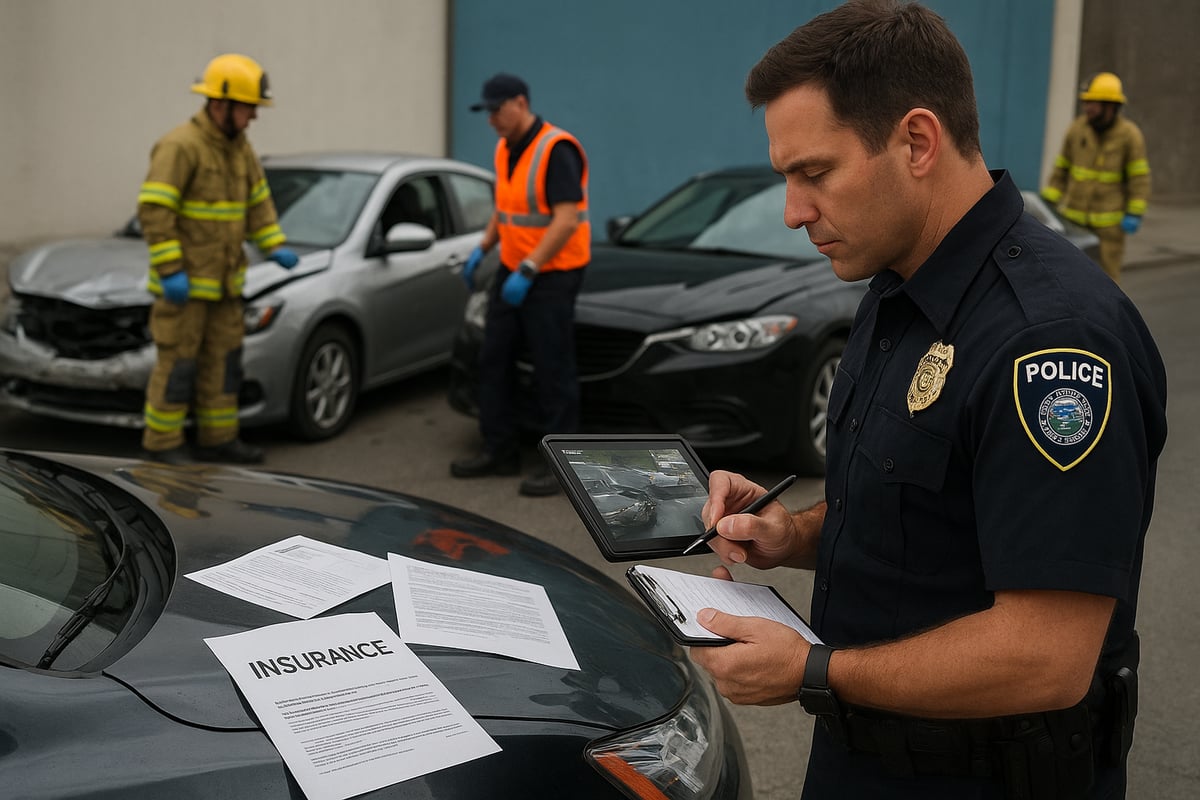
Personal Injury and Auto Accident Law Basics
Car accident law is a subset of personal injury law that governs compensation for injuries and damages resulting from vehicle collisions. It determines how fault is assigned and what parties are responsible for covering losses. An auto lawyer specializes in helping victims build strong claims under these statutes, ensuring they receive fair treatment from insurers.
Fault vs. No-Fault Insurance States
The United States operates under two primary systems for car accident claims: fault and no-fault. In fault states, the party responsible for causing the accident must pay for damages. In no-fault states, each driver’s insurance covers their own injuries, regardless of who was at fault. This distinction impacts how claims are filed and resolved. Michigan, for example, uses a no-fault system, which can streamline some claims but complicate others.
| System | Who Pays for Damages? | Claim Process |
|---|---|---|
| Fault | At-fault driver’s insurance | Victim files against other |
| No-Fault | Each driver’s insurance | Victim files with own |
Recent legal updates in 2026 have introduced changes to minimum liability coverage in several states. For instance, California increased its required minimums to better protect accident victims. Keeping up with these changes is crucial, and consulting an auto lawyer ensures you do not miss important updates that affect your claim.
Deadlines and Statute of Limitations
Every state sets strict deadlines for filing car accident claims, known as the statute of limitations. Missing these deadlines can forfeit your right to compensation. In most states, the period ranges from one to three years. An auto lawyer will help you track these critical dates and ensure all paperwork is filed promptly.
Common Types of Car Accident Cases
Car accident cases can vary widely. Some of the most common include:
- Rear-end collisions
- Multi-vehicle pileups
- Rideshare accidents (Uber, Lyft)
- Hit-and-run incidents
- Pedestrian and cyclist injuries
Each type presents unique legal challenges. An auto lawyer tailors their strategy based on the specifics of your case, maximizing your chance for a successful outcome.
Key Legal Terms: Liability, Negligence, Comparative Fault
Understanding legal jargon is vital. Liability refers to legal responsibility for the accident. Negligence is the failure to exercise reasonable care, leading to harm. Comparative fault determines how damages are divided when multiple parties share blame. In 2026, states like Louisiana have shifted to modified comparative fault, changing how compensation is calculated.
Role of Local and State Laws
Local and state laws play a significant role in your case. For example, Michigan’s no-fault system limits lawsuits for minor injuries, while California allows direct claims against at-fault drivers. An experienced auto lawyer will have deep knowledge of these regional nuances, which can be the difference between winning and losing a case. For more detailed legal insights, see this Car accident lawyer guide.
Technology’s Role in Car Accident Claims
Advancements in technology are reshaping evidence collection and claim evaluation. Dashcams, telematics, and smartphone footage provide reliable documentation of events. Insurers increasingly rely on digital data to assess fault and damages. Presenting clear, tech-driven evidence can strengthen your position, and an auto lawyer will know how to leverage these tools.
Notable Statistics and Trends
Distracted driving cases have risen, with national reports indicating a 12% increase in related claims from 2024 to 2025. Average settlement amounts also climbed, reflecting higher medical and repair costs. Working with an auto lawyer ensures you stay informed about these trends and receive a fair settlement based on current standards.
Grasping the complexities of car accident law in 2026 is vital for protecting your rights. Partnering with an auto lawyer provides the legal expertise and strategic advantage needed to navigate this challenging environment.
Step-by-Step Guide to Navigating a Car Accident Claim
Being involved in a car accident can be overwhelming, but following a clear process helps protect your rights and maximize your claim. This step-by-step guide walks you through what to do after a crash, how to work with insurers, and when to consider consulting an auto lawyer.
Immediate Steps After a Car Accident
The moments after a collision are crucial for your safety and your claim. First, check for injuries and call emergency services if needed. Move vehicles out of traffic, if possible, and set up hazard lights or warning triangles.
Once safe, gather essential information from the other driver, including name, contact details, insurance, and vehicle data. Take clear photos of the scene, vehicle damage, license plates, and any road hazards. If witnesses are present, ask for their contact information. These steps lay the groundwork for your case and can be critical if you later need an auto lawyer.
Reporting and Documenting the Incident
Most states require you to report accidents involving injuries or significant property damage to the police. Obtain a copy of the police report, as it serves as a key piece of evidence for your claim.
Notify your insurance company promptly, providing accurate details without speculating about fault. Organize all related documents, including medical records, repair estimates, and written statements. For those navigating the process in California, the California car accident claims resource outlines state-specific procedures and deadlines. If the process becomes complex, consulting an auto lawyer can clarify your next steps.
Navigating Insurance Policies and Coverage
Understanding your insurance policy is essential before filing a claim. Review your coverage types, including liability, collision, uninsured motorist, and personal injury protection. Note any exclusions or limitations that may affect your compensation.
If the other driver is uninsured or underinsured, your own policy might provide additional protection. An auto lawyer can help interpret policy language and ensure you access every benefit available. Keep a copy of your policy and correspondence for future reference.
Filing Your Claim: Process and Pitfalls
Start your claim as soon as possible, following your insurer’s procedures. Submit all required documentation, such as police reports, medical bills, and repair invoices. Missing or incomplete paperwork can delay your claim or reduce your payout.
Be aware of deadlines for filing, which vary by state and insurer. If you encounter confusing forms or requests for statements, consider seeking guidance from an auto lawyer to avoid common pitfalls. Timely, accurate submissions increase the likelihood of a smooth process.
Dealing With Insurance Adjusters
Insurance adjusters will investigate the accident, review your documentation, and determine liability. Be honest but cautious in your communications. Avoid admitting fault or speculating about your injuries.
If you feel pressured to settle quickly or receive a low offer, pause before accepting. An auto lawyer can negotiate on your behalf and push for fair compensation. Keep records of all conversations and correspondence with adjusters.
Tracking Medical Care and Expenses
Document every aspect of your medical treatment, including emergency visits, follow-up appointments, physical therapy, and prescriptions. Keep copies of all bills, receipts, and insurance statements.
Tracking your recovery not only supports your claim but can also help an auto lawyer build a stronger case for damages like pain and suffering or lost wages. Consistent medical documentation is often the key to maximizing your settlement.
From Accident to Settlement: Example Timeline
A typical car accident claim unfolds over several stages. Immediately after the crash, victims seek medical care and gather evidence. Within days, they notify insurers and begin the claims process. Over the next weeks, adjusters review the case and may request additional information.
On average, straightforward claims resolve within 30 to 90 days, while complex cases may take several months. Consulting with an auto lawyer can help expedite the process and improve outcomes. Staying organized and proactive increases your chances of a successful, timely resolution.
The Role of an Auto Lawyer in 2026
Navigating a car accident claim in 2026 often requires specialized legal support. An auto lawyer is a legal professional who helps accident victims assert their rights, build strong cases, and deal with complex negotiations. Their expertise is especially vital as laws evolve and insurance companies become more aggressive in defending claims.
If you have suffered serious injuries, face disputed liability, or are involved in a wrongful death or multi-vehicle case, hiring an auto lawyer is crucial. These situations bring legal complexities and higher stakes. An auto lawyer understands how to protect your interests, especially when insurance companies attempt to minimize payouts or dispute fault.
An auto lawyer can significantly increase the value of your claim. They conduct thorough investigations, gather evidence such as dashcam footage and medical records, and consult with expert witnesses. Their negotiation skills often lead to higher settlements, as they know how to counter lowball offers and challenge insurance tactics. Statistics show that claimants with legal representation receive, on average, 3.5 times higher settlements compared to those without an auto lawyer.
Understanding how auto lawyers are compensated is important. Most work on a contingency fee basis, meaning you pay nothing upfront. Fees are only due if your case is successful. This structure ensures that your auto lawyer is motivated to achieve the best possible outcome for you. When selecting legal representation, it is wise to review resources such as the Choosing a personal injury law firm guide, which outlines what to look for in a qualified attorney.
Local expertise is another key factor. Auto accident laws can vary significantly by state and even city, so working with an auto lawyer familiar with your jurisdiction is essential. Be cautious of red flags such as poor communication, lack of transparency, or promises that sound too good to be true. Always verify credentials and ask about previous case results before hiring.
In summary, the right auto lawyer brings experience, negotiation power, and local knowledge to your case. Their involvement can make the difference between a denied claim and a fair settlement, giving you peace of mind and the financial support you deserve.
Maximizing Your Car Accident Settlement
Securing the highest possible settlement after a car accident requires strategy, attention to detail, and the right support. An experienced auto lawyer can help you understand your claim’s full value and avoid common pitfalls. Let’s break down the essentials for maximizing your compensation in 2026.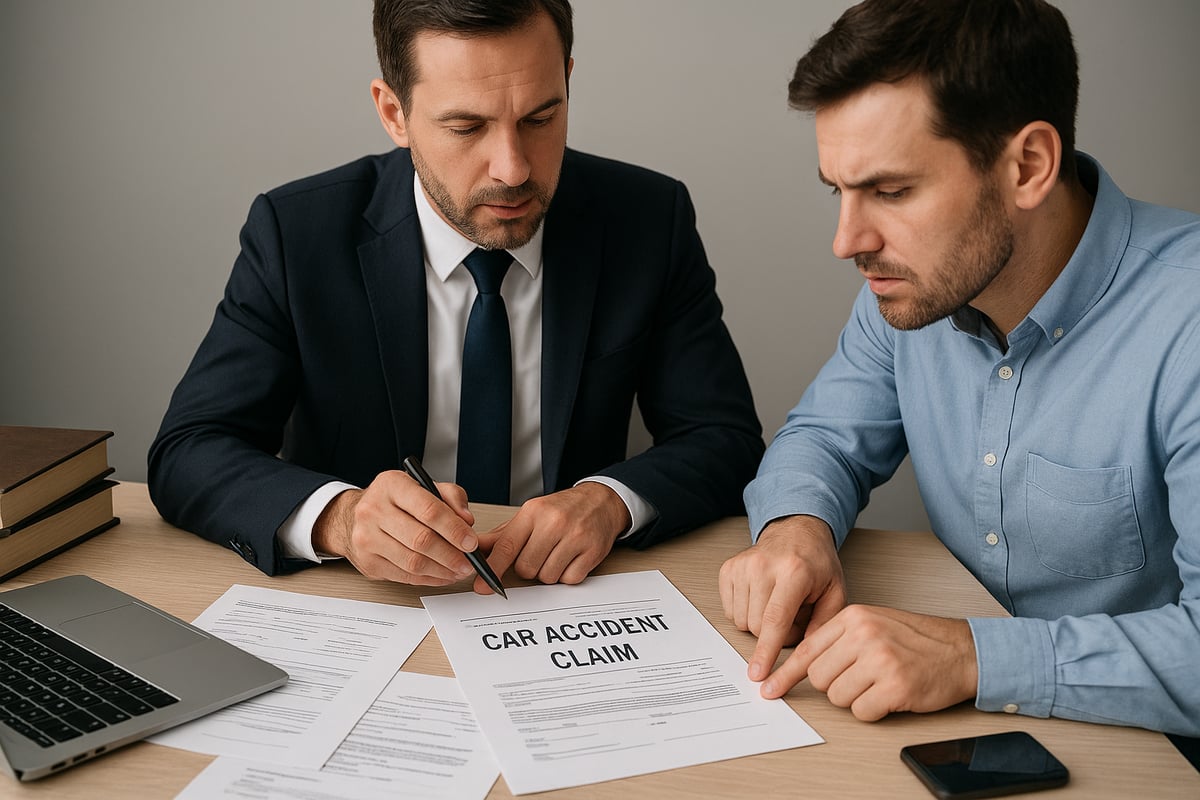
Calculating Damages and Building Your Case
Your settlement starts with an accurate calculation of all damages. This includes medical bills, lost income, property repairs, and pain and suffering. An auto lawyer will ensure no category is overlooked, from long-term rehabilitation costs to out-of-pocket expenses.
Keep detailed records of every doctor visit and expense. Medical records, receipts, and repair estimates form the backbone of your case. The more documentation you have, the stronger your negotiation position becomes.
Here’s a sample breakdown for a moderate injury case:
| Damage Type | Amount ($) |
|---|---|
| Medical Bills | 24,000 |
| Lost Wages | 8,000 |
| Pain & Suffering | 18,000 |
| Property Damage | 6,000 |
| Total Settlement | 56,000 |
Every case is unique, but an auto lawyer can help you identify all potential damages and ensure they are supported by solid evidence.
Negotiation Strategies and Dealing with Offers
Once your claim is submitted, insurance companies often respond with low initial offers. Don’t accept the first offer without careful review. Your auto lawyer can evaluate the offer and negotiate for a higher amount, using evidence and expert opinions to strengthen your case.
Effective negotiation tips include:
- Respond promptly to requests for information
- Never admit fault or downplay injuries
- Present organized, thorough documentation
- Stay professional in all communications
If the insurer insists on a lowball offer, your auto lawyer can advise whether to counter or consider litigation. Proper documentation and persistence can often turn a denied or undervalued claim into a fair settlement.
Comparative Fault and Settlement Options
Comparative fault laws can impact your compensation. If you are partially at fault, your settlement may be reduced by your percentage of responsibility. For example, if you were found 20% at fault, your award would decrease by that amount. States like Louisiana are changing their approach to comparative fault in 2026, as explained in Louisiana’s 2026 Comparative Fault Law Explained.
You’ll also need to decide between a lump sum payout and a structured settlement. Lump sums provide immediate access to funds, while structured settlements offer long-term stability and tax benefits. An auto lawyer can help you weigh these options based on your needs and financial goals.
Ultimately, maximizing your settlement depends on strong evidence, strategic negotiation, and an understanding of the latest legal changes. Rely on your auto lawyer’s expertise to guide you through every step.
Preparing for Litigation: When Claims Go to Court
Facing the possibility of litigation can feel overwhelming for accident victims. Most car accident claims settle out of court, but sometimes, unresolved disputes over liability or damages require legal action. If negotiations stall or the insurance company denies your claim, an auto lawyer can help you decide whether litigation is the best path forward.
The Litigation Process Explained
Once a decision is made to take your case to court, your auto lawyer will file a formal complaint. This document outlines your claims and the compensation you seek. The defendant responds, and the discovery phase begins, where both sides exchange evidence, interview witnesses, and gather expert opinions.
Key steps in the litigation process:
- Filing the lawsuit and serving the defendant
- Discovery, including document requests and depositions
- Pre-trial motions to resolve legal issues early
- Settlement negotiations continue throughout
- Trial, where both sides present their case to a judge or jury
- Appeals, if a party contests the outcome
Expert witnesses, such as accident reconstruction specialists or medical professionals, can play a crucial role. Their testimony often strengthens your position and helps clarify complex issues for the court. Throughout each phase, your auto lawyer works to build the most persuasive case possible.
What to Expect During Trial
If your case reaches trial, the process typically includes jury selection, opening statements, witness testimony, cross-examination, and closing arguments. The judge or jury then decides liability and the amount of compensation, if any.
Most cases still resolve before a verdict through last-minute settlements. According to recent statistics, fewer than 10 percent of car accident lawsuits reach a jury verdict. Your auto lawyer will advise you on whether to accept a settlement or proceed to trial, weighing the risks and benefits.
Jury Verdicts vs. Settlements:
| Aspect | Jury Verdicts | Settlements |
|---|---|---|
| Control | Determined by jury | Negotiated by parties |
| Timeline | Longer, less certain | Faster, more flexible |
| Outcome | Unpredictable | More predictable |
Your attorney will explain the pros and cons, helping you make informed decisions at every stage.
Legal Costs and Contingency Fees
Litigation can be expensive, but most auto lawyer services operate on a contingency fee basis. This means you pay nothing upfront; your lawyer only receives payment if you win or settle your case. Fees usually range from 30 to 40 percent of the final compensation, plus costs for experts and court filings.
Understanding these costs is crucial before proceeding. If you need guidance or want to evaluate your case before litigation, consider requesting a free evaluation of injury claims to discuss your options with a qualified auto lawyer.
Future Trends in Auto Accident Law and Claims
The landscape of car accident claims is rapidly evolving, and staying ahead of these shifts is vital for anyone seeking guidance from an auto lawyer. In 2026, the integration of autonomous and electric vehicles is reshaping how accidents are analyzed, who is held liable, and the types of evidence considered in court. As technology becomes more sophisticated, auto lawyers must adapt to new forms of data, such as telematics and dashcam footage, which play a growing role in determining fault and settlement outcomes.
Artificial intelligence is now central to claim assessment, enabling insurers to process information faster and detect potential fraud. This shift means an auto lawyer must be prepared to challenge automated decisions and ensure fair treatment for clients. Online legal services and virtual consultations are also on the rise, making expert legal help more accessible than ever. At the same time, evolving insurance products offer new coverage options, often tailored to connected and electric vehicles. For a deeper look at how these changes influence claim frequencies and premiums, see the 2025 Auto Insurance Trends Report.
Legislative trends are responding to emerging risks, such as distracted and impaired driving, by imposing stricter penalties and redefining negligence. Data privacy is another growing concern, as telematics devices collect more information about driving habits and accident circumstances. For accident victims, understanding these trends is crucial to working effectively with an auto lawyer and maximizing a settlement. Recent data shows that accident rates and claim values are projected to increase, especially as technology introduces both new risks and opportunities. For the latest statistics on accident rates and their economic impact, review the Car Accident Statistics 2025.
Resources and Support for Accident Victims
Navigating the aftermath of an accident is overwhelming, but knowing where to turn for help can make all the difference. Whether you need an auto lawyer to guide you through the legal maze or emotional support to cope with trauma, a wide range of resources is available.
Finding Legal Help and Advocacy
After an accident, consulting an auto lawyer is a smart first step. Legal professionals can help you understand your rights, explain the claims process, and fight for your compensation.
Reliable sources for legal assistance include:
- State Bar Associations: Find licensed attorneys specializing in car accident claims.
- Legal Aid Societies: Free or low-cost legal help for those who qualify.
- Online Directories: Compare auto lawyer credentials, reviews, and experience.
Many lawyers offer free consultations, so do not hesitate to reach out early.
Support Groups and Counseling
Emotional recovery is just as important as financial and legal recovery. Support groups and trauma counselors can provide guidance, stress management, and a sense of community.
Common support options:
- Peer Support Groups: Share experiences and coping strategies.
- Licensed Counselors: Specialized in accident-related trauma.
- Nonprofit Organizations: Offer both group and individual counseling.
Here’s a quick overview of key organizations:
| Organization | Focus | Contact |
|---|---|---|
| National Center for Victims | Legal and counseling | victims.org |
| State Bar Association | Legal referrals | [statebar].org |
| Trauma Recovery Network | Emotional support | traumahelp.org |
State-Specific Resources and Assistance
Each state has its own set of resources for accident victims. For example, California and Michigan offer state-sponsored victim compensation programs, legal referral services, and specialized hotlines.
If you are dealing with complex claims or evolving insurance requirements, an auto lawyer familiar with your state laws is crucial. New research, such as Learning Multimodal Embeddings for Traffic Accident Prediction, is shaping how evidence is used and claims are evaluated, making expert guidance even more valuable.
FAQs, Financial Aid, and Recovery Networks
Victims often have questions about claim timelines, settlement amounts, or insurance disputes. Many government and nonprofit organizations provide detailed FAQs and helplines.
If you need help with medical bills, lost wages, or transportation, public assistance programs and nonprofit grants can bridge the gap. Support networks not only aid your recovery but can also improve your claim’s success rate when paired with a knowledgeable auto lawyer.
After reading through this guide, you now have a clearer understanding of the car accident claims process, recent legal updates, and the crucial role an experienced auto lawyer can play in securing the best possible outcome. If you or someone you care about is facing the aftermath of a car accident in Los Angeles, you don’t have to navigate this complex journey alone. Let an expert team guide you every step of the way—your recovery and peace of mind matter. Reach out today for a Free Consultation No Fee Until We Win and take the first step toward protecting your rights and your future.