- Free Consultation: 866-966-5240 Tap Here To Call Us












Motorcycle Accidents in Los Angeles: Statistics, Hotspots, Common Causes, and Your Legal Rights


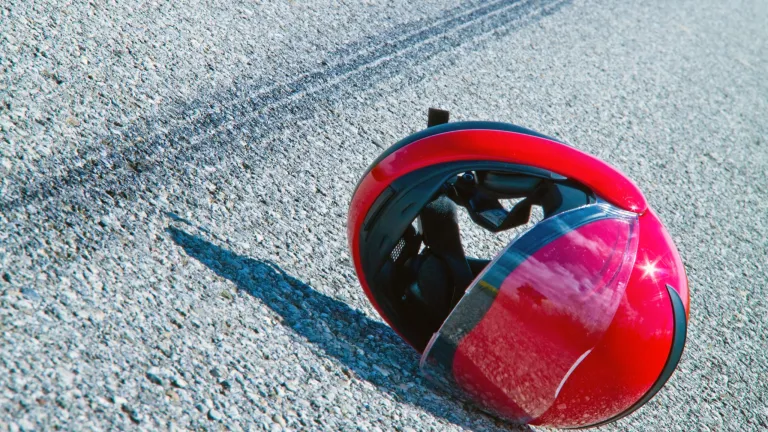
Los Angeles is one of the most dangerous cities in the United States for motorcycle riders. The combination of year-round riding weather, the nation’s most congested freeway system, millions of distracted drivers, and high-speed canyon and coastal roads creates conditions where serious motorcycle crashes are a daily occurrence — not an aberration.
If you or a loved one has been injured in a motorcycle accident in Los Angeles, understanding the scope of the problem and the legal landscape is the first step toward protecting your rights. This guide draws on data from the California Highway Patrol (CHP), the UC Berkeley SafeTREC program, the California Office of Traffic Safety (OTS), LADOT’s Vision Zero initiative, and the Transportation Injury Mapping System (TIMS) to provide a comprehensive, data-driven picture of motorcycle accident risk in Los Angeles.
Our Los Angeles motorcycle accident lawyer practice page provides a full overview of how our firm handles motorcycle accident claims, our case results, and what to expect when you retain us. This article focuses specifically on the data behind motorcycle accident risk in Los Angeles, the roads and crash scenarios responsible for the most serious injuries, and the legal framework that governs your right to compensation.
| Injured in a Motorcycle Accident in Los Angeles? Steven M. Sweat, Personal Injury Lawyers, APC — Free 24/7 Consultation 📞 866-966-5240 | No Fee Unless We Win | victimslawyer.com |
The Scale of the Problem: Los Angeles Motorcycle Accident Statistics
The numbers are stark. Los Angeles County leads all counties in California — and most jurisdictions in the United States — in the sheer volume of motorcycle crashes, serious injuries, and fatalities. This is not simply a function of population size. The density of LA’s traffic, the prevalence of freeway riding, and the year-round riding season combine to create a uniquely hazardous environment for motorcyclists.
| 2,828 Motorcycle accidents in LA County with injuries (2025) TIMS / SWITRS Data | 125 Motorcycle fatalities in LA County (2023) UC Berkeley SafeTREC 2025 |
| 996 Motorcycle accidents with injuries in the City of LA (2025) TIMS Data | 2× LA County has more than double the fatalities of the next closest county SafeTREC 2025 |
According to data compiled from California’s Transportation Injury Mapping System (TIMS), Los Angeles County recorded 2,828 serious motorcycle accidents in 2025 — a figure that, while slightly lower than 2024’s 2,970, represents a persistently high and worsening five-year trend. The city of Los Angeles alone recorded 996 motorcycle accidents with injuries in 2025, up from 919 in 2024.
The UC Berkeley SafeTREC 2025 report confirms that in 2023, Los Angeles County recorded 125 motorcycle fatalities — more than any other county in California and more than double the 52 fatalities recorded in second-place San Diego County. No other county comes close.
Los Angeles in the National and State Context
The disproportionate danger motorcyclists face in Los Angeles reflects broader national and state trends, amplified by LA’s unique traffic conditions:
| Metric | Figure | Source |
| Motorcyclist fatality rate vs. car occupants (per VMT) | 28x more likely to die | NHTSA 2023 |
| Motorcyclists as % of all U.S. traffic fatalities (2023) | 15% | NHTSA 2023 |
| Total motorcyclist deaths nationally (2023) | 6,335 — highest recorded since 1975 | NHTSA 2023 |
| California motorcycle fatalities (2023) | 583 | California OTS 2025 |
| Urban crashes as % of CA fatal motorcycle crashes (2023) | 73% | SafeTREC 2025 |
| LA County motorcycle fatalities as % of CA total (2023) | ~21% | SafeTREC 2025 |
| LA County 5-year average motorcycle fatalities | 44 per year (City of LA) | TIMS 2021–2025 |
Source: UC Berkeley SafeTREC 2025 Traffic Safety Facts: Motorcycle Safety; NHTSA Traffic Safety Facts 2023; California OTS 2025 Quick Stats; TIMS 2021–2025.
Where Motorcycle Accidents Happen in Los Angeles: The Highest-Risk Locations
Motorcycle crashes in Los Angeles are not randomly distributed. Data from TIMS, SWITRS, and LADOT’s Vision Zero initiative consistently shows that the same corridors, intersections, and road types account for a disproportionate share of serious crashes and fatalities. Understanding where accidents cluster is essential both for riders trying to stay safe and for attorneys building liability cases.
The Freeway System: Volume, Speed, and Blind Spots
Los Angeles’ freeway network is among the most congested in the world — and for motorcyclists, that congestion is a double-edged hazard. High traffic density increases the frequency of lane-change collisions and rear-end crashes, while high speeds magnify the severity of any impact. According to TIMS data for 2025, the deadliest and most accident-prone freeways for motorcyclists in Los Angeles County include:
| Freeway | 2025 Motorcycle Accidents (Injuries) | Fatalities | Key Hazard |
| I-405 (San Diego Freeway) | 189 | 4 | Sepulveda Pass congestion, Wilshire–Venice pinch point |
| I-5 (Santa Ana/Golden State) | 128 | 1+ | Dense multi-lane traffic, heavy truck presence |
| I-10 (Santa Monica Freeway) | High | — | Gridlock lane-splitting corridor, complex interchanges |
| US-101 (Hollywood/Ventura Fwy) | High | — | High-speed merges, tight Hollywood curves |
| I-110 (Harbor Freeway) | Elevated | — | South LA high-volume corridors |
| SR-60 (Pomona Freeway) | Elevated | — | Truck traffic, uneven pavement in San Gabriel Valley |
Source: California TIMS 2025 data via Maison Law Los Angeles Motorcycle Accident Statistics Study (March 2026); SafeTREC / UC Berkeley.
The I-405 is the single most dangerous freeway for Los Angeles motorcyclists, averaging 158 injury-producing crashes per year over the five-year period from 2021 to 2025. Two stretches are particularly dangerous: the Sepulveda Pass between the 10 and the 101, and the pinch point between Venice Boulevard and Wilshire Boulevard where multiple freeway ramps create constant, unpredictable lane changes.
Scenic and Canyon Roads: High Risk, Low Margin for Error
Beyond the freeways, several of Los Angeles’ most iconic roads are also its most dangerous for riders. These routes attract motorcyclists precisely because of their challenging characteristics — and those same characteristics make crashes both more likely and more severe.
| Pacific Coast Highway (PCH / SR-1) PCH through Malibu recorded 367 crashes in 2022, with 14 fatalities. More than 80% of PCH accidents result in injuries. The combination of winding coastal curves, high tourist traffic, fog patches, and vehicles making sudden left turns into driveways and beach access points creates a consistent pattern of serious motorcycle crashes. LADOT’s Vision Zero initiative has identified PCH as a priority corridor requiring safety intervention. |
| Mulholland Highway — “The Snake” (Calabasas to Malibu) The 2.4-mile “Snake” section of Mulholland Highway between Malibu and Calabasas has developed a national reputation for motorcycle crashes. Its tight switchbacks and blind crests attract riders seeking a technical challenge, while its limited guardrails and drop-offs mean that a single misjudgment can be fatal. Weekend afternoons on The Snake consistently produce serious crashes. |
| Angeles Crest Highway (SR-2) Angeles Crest climbs from La Cañada Flintridge to Wrightwood through sharp switchbacks, steep drop-offs, and rapidly changing weather conditions. The California OTS has previously highlighted this route as a major concern for motorcycle safety. Falling rocks, ice patches at elevation, and limited sight lines through curves contribute to frequent serious crashes. |
Urban Surface Streets: Where Left Turns Kill
While freeway crashes attract headlines, SWITRS data consistently shows that approximately 60% of fatal motorcycle crashes in California occur on non-freeway roads — primarily urban arterials and surface streets where left-turn collisions, intersection conflicts, and pedestrian interactions are most common. In Los Angeles, the highest-risk surface street corridors identified by LADOT’s Vision Zero High Injury Network (HIN) and SafeTREC data include:
- Sunset Boulevard — Hollywood, Silver Lake, and Echo Park sections see frequent crashes from nightlife traffic, sudden lane changes, and left-turn conflicts
- Sepulveda Boulevard — heavy multi-lane traffic with frequent driveway and side-street intersections along its entire length
- Venice Boulevard — identified in LADOT’s Vision Zero program for high collision density; mixed bicycle, pedestrian, and vehicle traffic
- Hollywood Boulevard — LADOT data shows 53 severe and fatal collisions on a short segment between Gower St. and Fountain Ave. from 2010–2019
- La Cienega Boulevard and La Brea Avenue — major north-south corridors with frequent left-turn cut-offs and rideshare vehicle stops
- Laurel Canyon Boulevard — steep, narrow grades and blind curves with heavy commuter traffic between the Valley and Hollywood
- Downtown Los Angeles grid — dense mixed traffic, Uber/Lyft pickup zones, delivery vehicles, and confusing lane configurations create consistent motorcycle hazards
LADOT’s Vision Zero program identifies a High Injury Network (HIN) — approximately 6% of city streets that account for 65% of all deaths and severe injuries. Many of the corridors above fall within this network, and motorcyclists traveling them face statistically elevated risk compared to the broader city street grid.
How Motorcycle Accidents Happen in Los Angeles: The Most Common Crash Scenarios
Understanding the mechanics of how crashes occur is essential both for riders trying to protect themselves and for attorneys establishing liability. The UC Berkeley SafeTREC 2025 report, drawing on California SWITRS data, identifies the following primary crash factors and crash types in fatal and serious injury motorcycle crashes in California in 2023.
1. Left-Turn Collisions — The Leading Killer
Left-turn collisions — where a vehicle turns left directly into the path of an oncoming motorcycle — are the single most common type of fatal motorcycle crash in Los Angeles and across California. Research indicates these collisions account for approximately 42% of fatal motorcycle crashes. The physics are unforgiving: the motorcyclist has almost no time to react, and the impact is typically broadside, with the rider absorbing the full force.
Under California Vehicle Code § 21801, a driver making a left turn must yield to all oncoming vehicles with the right of way. When a driver fails to yield and strikes a motorcyclist, they are presumptively at fault. However, insurance companies for the at-fault driver routinely attempt to argue that the motorcyclist was speeding or otherwise contributed to the crash. An experienced motorcycle accident attorney will investigate the physical evidence — skid marks, vehicle damage angles, witness statements, and available surveillance footage — to counter these arguments.
2. Unsafe Lane Changes and Blind-Spot Collisions
Unsafe lane changes account for approximately 19% of motorcycle collisions in Los Angeles, according to 2024 SWITRS data analyzed by SafeTREC and UC Berkeley. Motorcycles’ smaller profiles make them especially vulnerable to being hidden in the blind spots of passenger vehicles, SUVs, and commercial trucks. A driver who fails to check their blind spot before changing lanes and strikes a motorcycle is liable for the resulting injuries under California’s negligence standard.
This crash type is particularly prevalent on Los Angeles’ congested freeways, where drivers make frequent lane changes and may not notice a motorcycle in the adjacent lane — especially in heavy traffic where motorcycles may be lane-splitting or filtering.
3. Unsafe Speed
Unsafe speed is the single most common primary crash factor in California motorcycle FSI (fatal and serious injury) crashes, accounting for more than one in four crashes according to SafeTREC 2025 data. Nationally, 36% of all motorcycle riders involved in fatal crashes in 2023 were speeding — compared to 22% of passenger car drivers. In Los Angeles, this pattern plays out both on freeways where riders may be traveling significantly above posted limits, and on canyon roads like The Snake and Angeles Crest where the technical demands of the road exceed the rider’s speed management.
When speed is a factor and the crash involves another vehicle, California’s pure comparative fault rules (Civil Code § 1714) come into play. Even if the motorcyclist was traveling above the speed limit, the other driver’s failure to yield, improper lane change, or other negligent act may still make them primarily or substantially at fault — and the motorcyclist may still recover substantial compensation.
4. Lane Splitting Crashes
California is the only state in the nation where lane splitting — riding a motorcycle between lanes of slow or stopped traffic — is explicitly legal under California Vehicle Code § 21658.1. This practice reduces rear-end collision risk in heavy traffic and is a legitimate and common part of Los Angeles riding culture. However, it also creates unique crash scenarios when drivers make sudden lane changes without checking for motorcycles between lanes.
In 2024 Los Angeles motorcycle crash data, unsafe lane changes accounted for 19% of collisions — a category that includes both traditional blind-spot changes and changes that cut off lane-splitting riders. Insurance companies frequently attempt to use lane splitting as a basis to blame the rider for a crash. This argument is legally flawed when the other driver’s lane change was the proximate cause of the collision. Our firm has extensive experience litigating lane-splitting cases and countering insurer attempts to misuse this issue.
See also: Motorcycle Lane Splitting Accidents in California: Liability and Legal Rights.
5. Rear-End Collisions
Rear-end collisions represent approximately 15% of serious motorcycle crashes in California, according to SafeTREC 2025 data. For motorcyclists, a rear-end impact that would be a minor fender-bender between two passenger vehicles can be catastrophic or fatal. The absence of a protective vehicle frame means the rider absorbs the full energy of the impact, frequently being thrown from the bike at speed.
In stop-and-go freeway traffic — a daily reality on the I-405, I-10, and US-101 in Los Angeles — distracted drivers who are following too closely are a persistent threat to motorcyclists who slow or stop. Distracted driving, particularly cell phone use, has been a growing factor in rear-end collisions across all vehicle types.
6. Impaired Driving
Alcohol-impaired driving is involved in approximately 26% of motorcycle fatalities nationally and 29% in California, according to NHTSA 2023 data. In Los Angeles, this translates to a significant portion of the city’s motorcycle fatality toll. DUI drivers have dramatically reduced reaction times, impaired visual processing, and compromised judgment — all of which make them disproportionately dangerous to motorcyclists who have a far smaller margin for error in any collision.
When a DUI driver causes a motorcycle accident, California law permits the injured rider to seek punitive damages in addition to compensatory damages, based on the driver’s conscious disregard for the safety of others. This can substantially increase the total recovery available to a seriously injured rider or the family of a rider killed by an impaired driver.
7. Road Hazards
Road hazards that pose minimal risk to enclosed passenger vehicles — potholes, uneven pavement, gravel, debris, oil patches, and damaged lane markings — can be catastrophic for motorcyclists. California’s TIMS data shows road defects as a contributing factor in a meaningful percentage of single-vehicle motorcycle crashes. In Los Angeles, where approximately half of all road surfaces are in poor or mediocre condition according to pavement quality indices, this is a persistent and serious hazard.
When a road hazard causes a motorcycle accident, liability may extend beyond the other driver to government agencies responsible for road maintenance. Claims against government entities in California require filing a government tort claim within six months of the incident — a critical deadline that riders and families must be aware of.
For step-by-step guidance on protecting your rights after any type of motorcycle crash in Los Angeles, see our complete guide: What to Do Immediately After a Motorcycle Accident in California.
When Motorcycle Accidents Most Often Occur in Los Angeles
Crash data from SafeTREC and TIMS reveals consistent temporal patterns in Los Angeles motorcycle accidents. Understanding these patterns helps riders make informed decisions about when and where to ride — and helps attorneys contextualize the circumstances of individual crashes.
| Time Factor | Pattern | Data Source |
| Most dangerous time window | 3:00 PM – 7:00 PM, especially Friday through Sunday | SafeTREC / TIMS |
| Peak fatal crash period | Saturday, 12:00 PM – 3:00 PM | SafeTREC 2025 (SWITRS 2023 data) |
| Weekend proportion of fatalities | 47% of fatal motorcycle crashes (2023) | SafeTREC 2025 |
| Afternoon/evening (3–6 PM) proportion | 23% of all fatal motorcycle crashes | SafeTREC 2025 |
| Nighttime risk increase | Nearly 30% higher risk of fatal crash vs. daytime | NHTSA / IIHS |
| Summer months | Higher accident volume due to increased riding activity | CHP Annual Reports |
The convergence of factors during afternoon and early evening hours explains why this window is so dangerous: sun glare reduces driver visibility, rush-hour traffic creates frustration and aggressive driving behavior, and weekend leisure riders — often less experienced than daily commuters — are sharing canyon roads and freeways at the same time.
Injuries Motorcyclists Sustain in Los Angeles Crashes
Because motorcyclists have no protective frame, crumple zones, airbags, or seatbelts, the injuries sustained in crashes are frequently catastrophic. SafeTREC data shows that in California motorcycle crashes, male victims aged 25–34 represent the single largest group of fatalities and serious injuries. The most common injury types our firm handles include:
- including concussions, diffuse axonal injury, and severe TBI requiring neurosurgical intervention. Even helmeted riders can sustain significant TBI in high-speed or high-impact collisions. Traumatic brain injuries (TBI)
- including partial and complete paralysis. The forces involved in motorcycle crashes frequently cause cervical and lumbar spine injuries requiring surgery, fusion, and often lifetime care. Spinal cord injuries
- ranging from superficial abrasions to deep-layer injuries penetrating to muscle and bone, requiring skin grafts and extensive wound care with significant infection risk. Road rash
- Femur, tibia/fibula, humerus, pelvis, and wrist fractures are common. NHTSA data shows leg and foot injuries account for 30% of non-fatal motorcycle emergency room visits; head and neck injuries account for 22%. Orthopedic fractures
- Damage to the liver, spleen, and kidneys may not be immediately apparent and can be life-threatening if not promptly diagnosed. Internal injuries
- Los Angeles averages 44 motorcycle fatalities per year in the city alone. The firm represents families of riders killed by negligent drivers in wrongful death claims. Wrongful death
For a comprehensive medical and legal guide to each of these injury types, see: Most Common Motorcycle Crash Injuries in California.
Your Legal Rights After a Motorcycle Accident in Los Angeles
California law provides robust protections for motorcycle accident victims — but those protections only work if you act promptly and with proper legal representation. Here is what every rider injured in Los Angeles needs to know.
Pure Comparative Negligence
California follows a pure comparative negligence rule under Civil Code § 1714. This means you can recover compensation even if you were partially at fault for the accident — your recovery is reduced, not eliminated, by your percentage of fault. Insurance companies routinely attempt to assign inflated fault percentages to motorcycle riders, exploiting persistent cultural biases about rider recklessness. An experienced attorney will build a counter-narrative grounded in the physical evidence and California law.
For a detailed breakdown of what motorcycle accident claims are worth in California by injury type, see: Average Motorcycle Accident Settlement Amounts in California.
Lane Splitting Is Legal — Do Not Let Insurers Tell You Otherwise
California Vehicle Code § 21658.1 explicitly permits lane splitting when done safely. A motorcyclist who was lawfully lane-splitting when struck by a driver who changed lanes without checking their blind spot has a strong liability claim against that driver. The fact of lane-splitting alone does not defeat your case — the critical question is whether the other driver’s conduct was negligent.
Statute of Limitations
California’s statute of limitations for personal injury claims is two years from the date of the accident under Code of Civil Procedure § 335.1. If a government entity — such as Caltrans or the City of Los Angeles — is involved because a road defect contributed to the crash, a government tort claim must be filed within six months. Missing these deadlines can permanently bar your right to compensation regardless of the strength of your case.
Uninsured and Underinsured Motorist Coverage
California has a significant uninsured and underinsured driver problem. If the driver who caused your accident carried no insurance or insufficient coverage, your own UM/UIM policy becomes your primary source of recovery. Recent changes under California SB 371 have increased minimum UM/UIM coverage limits. Our firm identifies every available source of coverage — including policies you may not know you have — and pursues maximum recovery under each.
Learn more: Uninsured and Underinsured Motorist Coverage in California: What Injured Riders Need to Know.
What to Do Immediately After a Motorcycle Accident in Los Angeles
- Call 911 — request police and paramedics. A police report is essential to your claim.
- Do not refuse medical treatment at the scene. Going to the emergency room creates a contemporaneous record of your injuries that is difficult for insurers to challenge.
- Document the scene with photos and video before vehicles are moved — include road conditions, skid marks, debris, and traffic controls.
- Get witness information. Independent witnesses are among the most valuable assets in a disputed liability case.
- Do not give a recorded statement to the other driver’s insurance company without first speaking to an attorney. Adjusters are trained to elicit statements that reduce your recovery.
- Contact a motorcycle accident lawyer as soon as possible. Evidence disappears fast — surveillance footage is overwritten, skid marks fade, and witnesses become harder to locate.
Why Los Angeles Motorcycle Accident Victims Choose Steven M. Sweat
Not every personal injury attorney has the experience, resources, or commitment to effectively represent a seriously injured motorcycle rider. Insurance companies know which attorneys will take a case to trial and which ones will fold under pressure. Steven M. Sweat has spent over 30 years representing injured riders throughout Los Angeles and California — and insurance carriers know it.
| Credential | Detail |
| Experience | 30+ years exclusively representing injured individuals in California |
| Super Lawyers® | Continuously recognized since 2012 — fewer than 5% of CA attorneys |
| Avvo Rating | 10.0 “Superb” — the highest rating available |
| National Trial Lawyers | Top 100 Member |
| Multi-Million Dollar Advocates Forum | Verdicts and settlements of $2 million or more |
| Languages | English and Spanish — bilingual services available |
| Fee Structure | 100% contingency — no fee unless we recover for you |
Our firm has recovered millions of dollars for motorcycle accident victims in Los Angeles, including:
- $1,250,000 — Motorcyclist struck by left-turning vehicle at Los Angeles intersection; traumatic brain injury and orthopedic injuries
- $1,000,000 — Full policy limits settlement for the family of a motorcycle rider struck and killed on the 405 freeway by a driver making an unsafe lane change
- $875,000 — Rear-end collision on California freeway; spinal cord injury requiring surgical intervention
- $625,000 — Lane-change collision on I-405; fractured femur and road rash requiring skin grafts
Past results do not guarantee future outcomes. Every case is evaluated on its specific facts and circumstances.
Frequently Asked Questions
How many motorcycle accidents happen in Los Angeles each year?
Los Angeles County recorded 2,828 serious motorcycle accidents (involving injuries) in 2025, according to TIMS data. Over the five-year period from 2021 to 2025, Los Angeles County has averaged approximately 2,800 injury-producing motorcycle accidents per year — more than any other county in California. The city of Los Angeles proper averaged 951 motorcycle accidents with injuries per year over the same period.
What are the most dangerous roads for motorcyclists in Los Angeles?
Based on TIMS and SWITRS data, the most dangerous roads for motorcyclists in Los Angeles are the I-405 (which alone sees approximately 158 injury-producing motorcycle crashes per year), the I-5, Pacific Coast Highway through Malibu, Mulholland Highway’s “Snake” section, Angeles Crest Highway, and urban arterials including Sunset Boulevard, Sepulveda Boulevard, and Venice Boulevard. LADOT’s Vision Zero High Injury Network identifies approximately 6% of city streets that account for 65% of all severe traffic injuries and deaths.
What is the most common cause of motorcycle accidents in Los Angeles?
According to SafeTREC 2025 data drawing on SWITRS, the most common primary crash factor in fatal and serious injury motorcycle crashes in California is unsafe speed, accounting for more than one in four crashes. The second most common cause is improper turning — primarily left-turn failure to yield — which accounts for approximately 22% of FSI motorcycle crashes. Unsafe lane changes and alcohol impairment round out the top causes.
Can I recover compensation if I was lane splitting when the accident happened?
Yes, in most cases. Lane splitting is legal in California under CVC § 21658.1. The fact that you were lane-splitting when struck does not defeat your claim if the other driver’s negligence — such as an unsafe lane change — caused the collision. California’s pure comparative fault system allows you to recover compensation even if you were partially at fault; your recovery is reduced proportionally, not eliminated.
What should I do if I was injured by a hit-and-run driver?
Los Angeles has one of the highest hit-and-run rates in the United States. If you are struck by a driver who flees the scene, your own uninsured motorist (UM) coverage is your primary source of recovery under California law. Contact law enforcement immediately and try to preserve any available surveillance or dashcam footage. An attorney can help you identify coverage under policies you may not know you have and ensure you meet all claim deadlines.
Contact a Los Angeles Motorcycle Accident Lawyer Today
If you or a loved one has been injured in a motorcycle accident anywhere in Los Angeles or Southern California, the decisions you make in the days immediately following the crash will significantly affect your ability to recover full compensation. Insurance companies are already building their case. Evidence is already disappearing.
Steven M. Sweat, Personal Injury Lawyers, APC has spent over 30 years fighting for injured motorcycle riders across Los Angeles and California. We know the freeways, the courts, and the tactics insurance carriers use. We prepare every case for trial. We do not accept lowball settlements.
| Injured in a Motorcycle Accident in Los Angeles? Steven M. Sweat, Personal Injury Lawyers, APC — Free 24/7 Consultation 📞 866-966-5240 | No Fee Unless We Win | victimslawyer.com |
Se habla español. Hospital and home visits available for seriously injured clients. Free consultations available 24 hours a day, 7 days a week.
| Data Sources & References — UC Berkeley SafeTREC, 2025 Traffic Safety Facts: Motorcycle Safety (FARS ARF 2023 & Provisional SWITRS 2023) — National Highway Traffic Safety Administration (NHTSA), Traffic Safety Facts 2023: Motorcycles (DOT HS 813 732) — California Office of Traffic Safety (OTS), 2025 California Traffic Safety Quick Stats — California Transportation Injury Mapping System (TIMS), 2025 data via Maison Law Los Angeles Motorcycle Accident Statistics Study (March 2026) — Los Angeles Department of Transportation (LADOT), Vision Zero Los Angeles Safety Study (2024) — LADOT, Vision Zero High Injury Network (HIN) Update (2024), City of Los Angeles — Geo Hub California Highway Patrol, Statewide Integrated Traffic Records System (SWITRS)Insurance Institute for Highway Safety (IIHS), Fatality Facts 2023: Motorcycles and ATVs |