Consistent Success
for Over 30 Years
for Over 30 Years













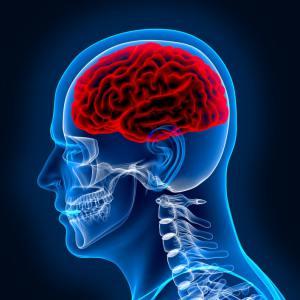
If you or a family member has suffered a traumatic brain injury (TBI) in a Los Angeles or California accident, you face a uniquely difficult legal situation. Brain injury cases are among the most medically complex and most frequently disputed in personal injury law. Insurance companies routinely challenge TBI diagnoses, dispute the cause of cognitive symptoms, and argue that pre-existing conditions explain ongoing impairments. The quality of your medical evidence and the experience of your attorney directly determine whether you recover the full value of your claim — or a fraction of it.
Steven M. Sweat, Personal Injury Lawyers, APC has represented California traumatic brain injury victims for more than 30 years. We work with neurologists, neuropsychologists, life care planners, and accident reconstruction experts to build TBI cases that withstand defense scrutiny. Our firm has recovered seven- and eight-figure settlements and verdicts for clients with mild to catastrophic brain injuries, and we accept brain injury cases on a contingency fee basis — no fee unless we win.
This page covers the medical and legal framework of California TBI cases: how brain injuries are classified using the Glasgow Coma Scale, the diagnostic evidence that proves a TBI exists, the categories of damages available under California law, settlement value ranges by severity, common defense tactics insurers use to minimize TBI claims, and how our firm builds traumatic brain injury cases. Note: for a full recovery timeline on brain injuries, go to: Do TBI Patients Ever Fully Recover?
Founding attorney Steven M. Sweat — Super Lawyers (2012–present), Avvo 10.0 “Superb,” Multi-Million Dollar Advocates Forum, National Trial Lawyers Top 100. All consultations are free and confidential. No fee unless we win. Bilingual English/Spanish.
| Quick Answer How much is a brain injury case worth in California? TBI case values vary significantly by severity. Mild concussions with full recovery typically settle for $25,000–$150,000. Moderate TBI with cognitive deficits ranges from $500,000 to $2,000,000. Severe TBI involving permanent disability often produces $2,000,000–$10,000,000+ recoveries. Catastrophic cases requiring lifetime care can exceed $20,000,000. Specific values depend on injury severity, future medical needs, lost earning capacity, and the strength of liability evidence. How long do I have to file a brain injury lawsuit in California? Two years from the date of injury under California Code of Civil Procedure § 335.1, in most cases. The discovery rule may extend this deadline if the TBI was not reasonably discoverable at the time of the accident — relevant because some traumatic brain injuries produce delayed-onset symptoms. Claims against government entities require a written tort claim within six months under California Government Code § 911.2. What evidence is needed to prove a traumatic brain injury? Medical evidence is the foundation of every TBI case: emergency records documenting initial Glasgow Coma Scale scores and loss of consciousness, neuroimaging (CT, MRI, and in some cases DTI or PET scans), neuropsychological testing demonstrating cognitive deficits, and expert testimony from neurologists, neuropsychologists, and life care planners. Lay witness testimony from family members documenting behavioral and personality changes is also critical, particularly in mild TBI cases where imaging may appear normal. Source: Steven M. Sweat, Personal Injury Lawyers, APC — 30+ years California personal injury practice. Super Lawyers (2012–present), Avvo 10.0, Multi-Million Dollar Advocates Forum. |
| Free, Confidential Consultation — Available 24/7 30+ years exclusive personal injury practice. Brain injury cases on contingency. Bilingual English/Spanish. Call 866-966-5240 • Request a Free Case Evaluation All cases on contingency — no fee unless we win. |
TBI cases are not standard personal injury cases. They are medically complex, frequently contested, and require specialized legal and medical expertise to prove. Five characteristics make these cases categorically harder than typical injury claims:
Unlike fractures or lacerations that are immediately apparent, brain injuries — particularly mild and moderate TBI — often produce delayed-onset symptoms. Headaches, cognitive fog, mood changes, sleep disruption, and personality shifts may not appear until days or weeks after the impact. Insurance companies exploit this delay by arguing that intervening causes — not the accident — produced the symptoms.
Standard CT and MRI scans frequently appear normal in patients with mild TBI, even when significant cognitive deficits are present. The damage in mild TBI is often microscopic — diffuse axonal injury at the cellular level that conventional imaging cannot resolve. Defense lawyers use “normal” imaging reports to argue that no real injury exists, despite the patient’s documented symptoms.
Insurance companies aggressively investigate plaintiffs’ medical histories looking for any prior depression, anxiety, ADHD, learning disability, prior concussion, migraine history, or sleep disorder. Whatever they find becomes the alleged cause of current symptoms. The eggshell plaintiff doctrine protects TBI victims with pre-existing conditions, but only if the legal team understands how to apply it.
A serious TBI doesn’t just produce current medical bills — it can cost millions in future care, rehabilitation, lost earning capacity, and lifestyle modifications over the plaintiff’s lifetime. Quantifying these damages requires life care planners, vocational economists, and neuropsychologists who can project decades of future need. Without this expert testimony, juries cannot understand the true financial impact of a brain injury.
Major insurance carriers maintain internal TBI case databases and reserve significant amounts for these claims. The flip side: they also deploy their most aggressive defense teams, retain their most credentialed defense neurologists, and litigate TBI cases harder than almost any other injury type. The gap between what they reserve and what they pay is determined by the plaintiff’s legal representation.
Our firm represents TBI victims from a wide range of accident types. The Centers for Disease Control identifies four leading causes of traumatic brain injury, all of which we regularly handle:
Medical providers classify traumatic brain injuries using the Glasgow Coma Scale (GCS) — a standardized neurological assessment that evaluates eye opening, verbal response, and motor response. Initial GCS score documented at the scene or in the emergency room is one of the most important pieces of evidence in any TBI case, because it establishes the severity of injury at the moment of presentation.
| Severity | Glasgow Coma Scale (GCS) | Loss of Consciousness | Typical Recovery |
| Mild (Concussion) | 13–15 | 0–30 minutes | Most resolve in weeks; some develop post-concussion syndrome lasting months or years |
| Moderate | 9–12 | 30 min – 24 hours | Significant recovery typical with rehabilitation; many have permanent deficits |
| Severe | 3–8 | More than 24 hours | Permanent cognitive, physical, or behavioral impairments common; some require lifelong care |
Approximately 75% of all TBIs are classified as mild. Despite the name, “mild” is medical terminology — these injuries often produce significant ongoing symptoms. Roughly 15% of mild TBI patients develop post-concussion syndrome, with headaches, cognitive fog, dizziness, sleep disruption, mood changes, and difficulty concentrating that can last months or years. The “mild” classification refers only to the initial severity, not the long-term outcome.
Moderate traumatic brain injuries involve loss of consciousness lasting 30 minutes to 24 hours and typically produce visible damage on neuroimaging. Most moderate TBI patients experience meaningful recovery with rehabilitation but retain some degree of cognitive, physical, or behavioral impairment. Many cannot return to their pre-injury occupation or require workplace accommodations.
Severe TBI involves loss of consciousness exceeding 24 hours, typically associated with significant structural brain damage visible on imaging. Outcomes range from substantial cognitive and physical impairment to persistent vegetative state. Severe TBI cases frequently require lifetime medical care, attendant care, residential support, and adaptive equipment — costs that can total tens of millions of dollars over the plaintiff’s lifetime.
TBI symptoms span four general categories. The presence and severity of symptoms varies widely based on the location and extent of brain damage. Some symptoms appear immediately at the time of the accident; others develop in the days, weeks, or months that follow.
Young children may not be able to articulate cognitive symptoms. Caregivers should watch for changes in eating habits, persistent crying that cannot be soothed, unusual irritability, changes in sleep patterns, loss of interest in favorite toys or activities, and changes in school performance. Pediatric TBI cases require pediatric neurologists and developmental specialists to evaluate the long-term impact on the child’s developmental trajectory.
Building a successful TBI case requires comprehensive medical documentation. The evidence below represents the diagnostic foundation of a strong brain injury claim. Cases with thin medical evidence — even when the injury is real — produce smaller settlements because insurers and juries demand objective proof of brain damage.
The initial GCS documented by paramedics at the scene and emergency room providers is irreplaceable evidence. It establishes the severity of injury at the time of presentation and serves as the medical baseline for the case. Emergency records also document loss of consciousness duration, post-traumatic amnesia, vomiting, seizures, and other acute presentations.
CT scans are the standard initial imaging for suspected TBI because they quickly identify acute bleeding, skull fractures, and structural damage requiring emergency intervention. MRI provides more detailed soft-tissue imaging and may detect injury patterns invisible on CT. Diffusion Tensor Imaging (DTI) — an advanced MRI technique — can detect microscopic axonal damage in mild TBI cases where conventional imaging appears normal. PET scans and SPECT scans are sometimes used to demonstrate functional brain abnormalities. In contested cases, advanced imaging can be the difference between a denied claim and a substantial settlement.
Neuropsychological evaluation is the gold standard for documenting cognitive deficits. A qualified neuropsychologist administers a battery of standardized tests measuring memory, attention, processing speed, executive function, language, visuospatial skills, and emotional functioning. Results are compared to demographically matched normative data to identify specific cognitive deficits. Neuropsychological testing also includes validity measures (Test of Memory Malingering, Word Memory Test, Rey 15-Item Test) that document genuine effort — directly countering insurance defense allegations of malingering or symptom exaggeration.
Records from treating neurologists, physiatrists, neurosurgeons, neuropsychologists, speech-language pathologists, occupational therapists, and physical therapists document the course of treatment, response to interventions, and ongoing functional limitations. Consistency across providers strengthens the case; gaps or inconsistencies are exploited by the defense.
Family members, coworkers, and close friends provide critical “before-and-after” testimony in TBI cases — particularly in mild TBI cases where imaging appears normal. They can describe personality changes, cognitive lapses, mood shifts, and functional limitations that the plaintiff may not even recognize in themselves. This testimony is often the most persuasive evidence to a jury.
Life care planners — typically credentialed registered nurses or rehabilitation counselors with specialized training — produce comprehensive projections of future medical and care needs over the plaintiff’s lifetime. Vocational economists translate cognitive impairments into specific lost earning capacity calculations. Together, these experts quantify the long-term financial impact of the TBI in a form that supports specific damages demands at trial.
| Talk to a Los Angeles Brain Injury Lawyer — Free Consultation 30+ years exclusive personal injury practice. Super Lawyers since 2012. Avvo 10.0. Multi-Million Dollar Advocates Forum. Call 866-966-5240 • Request a Free Case Evaluation All cases on contingency — no fee unless we win. |
Brain injury settlement values vary more widely than almost any other injury type, driven by severity, the strength of medical evidence, available insurance coverage, the plaintiff’s pre-injury earning capacity, and the projected cost of future care. The ranges below reflect typical California TBI settlement and verdict outcomes by severity. Specific case values depend on the unique facts of each matter.
| TBI Severity | Typical Settlement Range |
| Mild TBI / concussion (full recovery) | $25,000 – $150,000 |
| Mild TBI with post-concussion syndrome | $100,000 – $500,000 |
| Moderate TBI (cognitive deficits, return to work limited) | $500,000 – $2,000,000 |
| Severe TBI (permanent disability, ongoing care needed) | $2,000,000 – $10,000,000+ |
| Catastrophic TBI (requiring lifetime care, persistent vegetative state) | $5,000,000 – $20,000,000+ |
These ranges are general guidance only. Past results do not guarantee future outcomes — every TBI case is evaluated on its specific facts, medical evidence, and damages.
For detailed examples of how California injury claims are valued in practice, including pain and suffering settlement examples across multiple injury types, see: Pain and Suffering Settlement Examples — Amounts and Factors.
California law allows TBI plaintiffs to recover three categories of damages. In serious brain injury cases, the future-care and lost-earning-capacity components frequently dwarf the medical bills already incurred — which is why specialized expert testimony is essential.
California does NOT cap non-economic damages in standard personal injury cases (medical malpractice cases are subject to MICRA limits under Civil Code § 3333.2, which were amended effective January 2023):
Available under California Civil Code § 3294 in cases involving malice, fraud, or oppression. In TBI cases, punitive damages most commonly arise when the brain injury was caused by drunk driving, drag racing, intentional misconduct, or corporate disregard of known dangers. Punitive damages are designed to punish wrongdoers and deter similar conduct, separate from compensatory recovery.
California sets strict deadlines for filing TBI lawsuits. Missing the applicable deadline typically forecloses the claim entirely. The deadlines below cover the most common scenarios:
Standard TBI personal injury claims — Two years. Under California Code of Civil Procedure § 335.1, a personal injury action arising from a traumatic brain injury must generally be filed within two years of the date of injury.
Discovery rule for delayed-onset TBI symptoms. California recognizes a discovery rule that may toll the statute of limitations when the injury was not reasonably discoverable at the time of the accident. This is occasionally relevant in TBI cases where symptoms develop weeks or months after the underlying incident. The rule is fact-specific and best applied with attorney guidance — do not rely on it without consulting an experienced TBI lawyer.
Claims against government entities — Six months. Under California Government Code § 911.2, a written tort claim must be filed with the responsible public entity within six months of the injury. This applies to TBIs caused by city or county vehicles, dangerous public roadway conditions, public transit accidents, and injuries on public property.
Medical malpractice — One or three years. Under California Code of Civil Procedure § 340.5, medical malpractice actions must be filed within three years of the injury date or one year after the injury was discovered, whichever occurs first. This applies to TBIs caused by medical negligence, including birth-related brain injuries (subject to additional rules for minors).
Minors — Tolling under § 352. The statute of limitations is tolled while the injured person is under 18, with the clock starting on the 18th birthday. The six-month government tort claim deadline is NOT tolled and applies regardless of age.
Important: Brain injury cases have shorter practical deadlines than the legal statute of limitations suggests. Medical evidence becomes more difficult to develop as time passes — early imaging, baseline neuropsychological testing, and contemporaneous lay witness observations are critical. Contact a California TBI attorney as soon as possible after the injury, not weeks before the legal deadline.
Insurance companies treat brain injury claims more aggressively than almost any other personal injury type. The high reserve values, frequent imaging ambiguity, and subjective symptom reporting create opportunities for defense theories that simply don’t apply in cases involving fractures or other clear-cut injuries. Common defense tactics include:
Defense lawyers exploit normal CT and MRI findings to argue that no TBI exists. This is medically incorrect — mild TBI frequently produces no visible structural damage on standard imaging. Counter this with neuropsychological testing demonstrating objective cognitive deficits and, where appropriate, advanced imaging like DTI.
Insurers comb through medical records looking for any prior depression, anxiety, ADHD, learning disability, migraine history, sleep disorder, or prior concussion. Whatever they find becomes the alleged cause of current symptoms. Counter this with the eggshell plaintiff doctrine and expert testimony establishing that the accident substantially worsened or aggravated any pre-existing condition.
Defense neuropsychologists administer effort and validity testing — Test of Memory Malingering, Word Memory Test, Rey 15-Item Test, embedded validity indicators — and report any below-threshold scores as evidence of feigned deficits. Counter this by ensuring your treating neuropsychologist administers comprehensive validity testing and documents passing scores in the case file from the outset.
Insurers point to any return to work as evidence of recovery, ignoring the realities of accommodated work, reduced productivity, modified duties, and ongoing struggle. Counter this with vocational testimony documenting workplace accommodations, productivity declines, and the difference between pre-injury occupational capacity and current capacity.
Defense attorneys retain neurologists and neuropsychologists with track records of producing favorable defense reports. Counter this by preparing the plaintiff for the DME, ensuring the expert understands the limited scope of the examination, and being prepared to cross-examine the defense expert at deposition or trial on their financial relationships with insurance carriers.
Successful TBI cases are built methodically over months or years of investigation, medical workup, and expert development. Our firm’s approach to traumatic brain injury cases includes:
The case results below are representative of brain injury matters our firm has resolved on behalf of California clients. Past results do not guarantee future outcomes — every case is evaluated on its own facts.
$1,250,000 — Wrongful Death (Motor Vehicle Collision)
Recovery in a California fatal motor vehicle collision case involving severe head trauma.
$2,000,000 — Los Angeles Auto Accident
Settlement on behalf of a Los Angeles auto accident victim with serious injuries including traumatic brain injury.
$1,500,000 — Wrongful Death
Recovery for surviving family members in a California wrongful death case.
For additional case results across our practice areas, see our full case results page.
Normal CT and MRI findings do not rule out TBI — particularly mild TBI, which often involves microscopic damage invisible on standard imaging. Proof in these cases comes from neuropsychological testing demonstrating objective cognitive deficits, advanced imaging like DTI when appropriate, treating provider records documenting symptoms over time, and lay witness testimony from family and coworkers describing pre- and post-injury changes. An experienced California TBI attorney knows how to develop and present this evidence effectively.
Delayed-onset TBI symptoms are common, particularly with mild and moderate brain injuries. The discovery rule under California law may toll the statute of limitations when the injury was not reasonably discoverable at the time of the accident. Document symptom onset carefully — when symptoms began, what they involved, when you first sought treatment, and what your healthcare providers told you. Bring this documentation to your initial attorney consultation.
Almost certainly yes. Insurance defense lawyers routinely argue that any pre-existing psychiatric, neurological, or cognitive condition caused current symptoms. California’s eggshell plaintiff doctrine protects you: a defendant takes the plaintiff as they find them. Even if you had pre-existing depression, anxiety, ADHD, or a prior concussion, the defendant is liable for the additional harm caused by the accident. Skilled legal representation establishes the difference between baseline functioning and post-injury functioning.
TBI cases typically take longer than standard personal injury claims because the medical workup is more involved and the damages projections require expert development. Mild to moderate TBI cases with clear liability often resolve within 12–24 months. Severe TBI cases involving permanent disability and lifetime care needs may take 24–36 months or longer, particularly if the case proceeds to litigation. The right approach is rarely the fastest one — settling before the medical picture is fully developed almost always undervalues the case.
Most California TBI cases settle before trial, but TBI cases go to trial more frequently than most personal injury matters because insurers contest these claims aggressively. The reputation of the plaintiff’s attorney for trying brain injury cases — and winning verdicts at trial — is one of the largest factors in the size of pre-trial settlement offers. Insurance carriers track which firms try TBI cases and adjust their offers accordingly.
No. Reputable California TBI attorneys work on a contingency-fee basis. There is no upfront retainer, no hourly rate, and no fee unless the firm recovers compensation for you. TBI case costs (filing fees, deposition costs, expert witness fees — which can be substantial in brain injury cases) are typically advanced by the firm and reimbursed from the eventual settlement or verdict. Initial consultations are free and confidential.
Yes. California’s pure comparative negligence rule, established in Li v. Yellow Cab Co., reduces your recovery by your percentage of fault but does not eliminate it. A claimant 25% at fault on a $4 million TBI case still recovers $3 million. Insurance companies routinely allege comparative fault to reduce payouts — countering these arguments through accident reconstruction, witness testimony, and expert analysis is part of every brain injury case.
There is no medical difference — a concussion is a mild traumatic brain injury. The terms are sometimes used interchangeably, but “concussion” is the everyday term and “mild TBI” is the medical classification. Despite the word “mild,” concussions can produce serious ongoing symptoms — approximately 15% of concussion patients develop post-concussion syndrome with cognitive, physical, and emotional symptoms lasting months or years.
Our existing guides on California brain injury claims and related topics:
How Much Is My Brain Injury Claim Worth in California?
Detailed framework for evaluating California TBI claim value across the severity spectrum.
Post-Concussion Syndrome Personal Injury Claims
Specific issues in post-concussion syndrome cases — symptom documentation, defense strategies, and case valuation.
Curated resources for California TBI patients and families navigating treatment, rehabilitation, and recovery.
Hypoxic Ischemic Encephalopathy: A Significant Factor in Fetal Brain Damage
Specialized discussion of HIE-related birth injury claims involving fetal brain damage.
If you or a family member has suffered a traumatic brain injury anywhere in Los Angeles County or California, contact our office immediately. Brain injury cases require early medical workup, careful preservation of evidence, and specialized expert development that is harder to accomplish months after the accident. Insurance companies are already working on their defense — you should have an experienced attorney working on your case from day one.
Steven M. Sweat, Personal Injury Lawyers, APC offers a free, no-obligation consultation to all California brain injury victims and their families. We work on a contingency fee basis — no fee unless we win. We are available 24 hours a day, 7 days a week, and can travel to your home or hospital if you are unable to come to our office.
| Free Consultation — No Fee Unless We Win Steven M. Sweat — Super Lawyers since 2012, Avvo 10.0, Multi-Million Dollar Advocates Forum Call 866-966-5240 • Available 24/7 • Se Habla Español 11500 W. Olympic Blvd., Suite 400, Los Angeles, CA 90064 |